
Indigenous Casinos in Canada

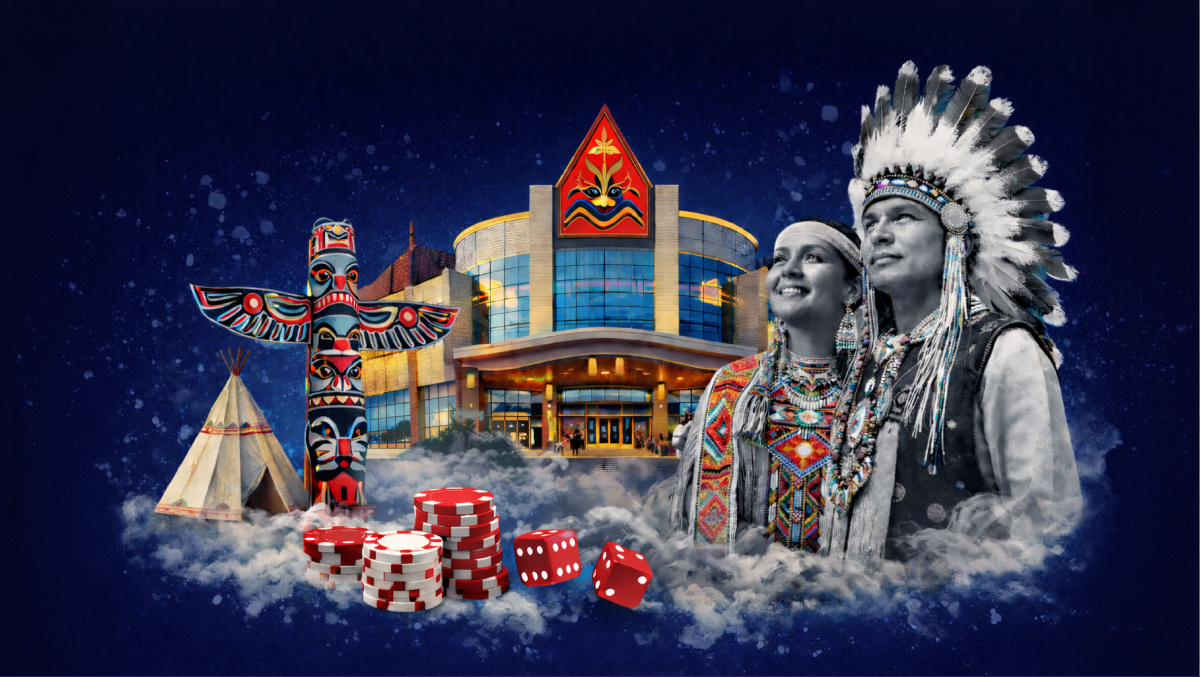
Canada is home to approximately 18 Indigenous-owned casinos across multiple provinces, with a growing map of casinos in Canada reflecting how First Nations communities have been acquiring mainstream casino properties at an unprecedented pace. From early disputes over bingo halls on reserve land to the expansion of Indigenous gaming in Canada, the sector has become a major economic force closely linked to reconciliation and self-determination efforts.
This guide covers how the industry developed, how it operates today, who the key players are, and what the numbers reveal about its economic and social impact.
- 01. A Brief History of Indigenous Gaming in Canada
- 02. How Many First Nations Casinos Are There in Canada?
- 03. How Saskatchewan’s SIGA Model Works
- 04. Economic Impact of Indigenous Casinos in Canada
- 05. Revenue Sharing and First Nations Casino Acquisitions
- 06. Barriers Facing Indigenous Gaming in Canada Today
- 07. The Bigger Picture for Indigenous Casinos in Canada
A Brief History of Indigenous Gaming in Canada
The roots of Indigenous gaming in Canada go back to the 1970s and 1980s, when First Nations communities began operating bingo halls and charitable gaming events on reserve lands as a way to generate income outside of federal transfers. Watching American tribal nations use gambling revenues to fund health services and housing created real momentum for similar efforts in Canada.
The legal turning point came in 1985 when Parliament amended the Criminal Code, giving provincial governments the authority over gambling. Rather than creating space for First Nations participation, provinces moved to build provincial gaming monopolies that largely excluded Indigenous operators. First Nations pushed back in court, arguing that gambling was covered under their constitutional rights, but the Supreme Court ruled against them in 1996 in Pamajewon v. The Queen, finding that commercial gambling was not an integral part of pre-contact Indigenous culture.
That ruling shifted the approach from rights-based claims to negotiation. Through the late 1990s, individual provinces began signing agreements with First Nations, allowing casinos to operate on reserve land in exchange for a share of revenues going back to the province. The first Indigenous casinos in Canada opened in the late 1990s, with Saskatchewan and Alberta leading the way.
How Many First Nations Casinos Are There in Canada?
Until mid-2024, the standard figure cited was 17 First Nations casinos operating across Canada. That number has since grown to at least 18, following the June 2024 opening of Bear Hills Casino and Travel Resort in Alberta, owned and operated by the Louis Bull Tribe near Wetaskiwin.
| Province | Casinos | Notable Properties | Revenue Cut |
|---|---|---|---|
| Saskatchewan | 7 | Gold Horse, Dakota Dunes, Northern Lights | 25% of net revenues |
| Alberta | 6 | Grey Eagle, River Cree, Bear Hills (2024) | 30% of slot net revenues |
| Ontario | 3 | Casino Rama Resort | Negotiated per agreement |
| Manitoba | 2 | Aseneskak Casino, South Beach Casino | Negotiated per agreement |
| British Columbia | Several* | Casino Nanaimo, Elements Casino Victoria | Negotiated per agreement |
This is a very different picture from the United States, where hundreds of tribal casinos operate under the federal Indian Gaming Regulatory Act of 1988. In Canada, the absence of equivalent federal legislation means every arrangement must be negotiated with a province individually, giving provinces significant power over where casinos are built and how profits are divided.
Key First Nations Casinos Across Canada
How Saskatchewan’s SIGA Model Works
The most structured example of Indigenous gaming in Canada is Saskatchewan’s Indian Gaming Authority (SIGA), owned and controlled by the 74 First Nations in Saskatchewan. SIGA operates all seven First Nations casinos in the province as a non-profit corporation and reinvests net revenues according to a fixed formula:
- 50% to the First Nations Trust, distributed across all 74 First Nations in Saskatchewan
- 25% to Community Development Corporations (CDCs), which fund local community projects
- 25% to the provincial General Revenue Fund
SIGA has posted record-breaking results for three consecutive years. In 2024–25, it reported $378 million in gross revenue and a final income distribution of $146 million, up from $346.6 million in gross revenue and $138.8 million distributed in 2023–24. Since its founding, SIGA has crossed $1 billion in cumulative net income returned to its beneficiaries.
SIGA also operates PlayNow.com, the first licensed online gaming and sports betting platform in Saskatchewan, which generated $19.1 million of SIGA’s 2023-24 gross gaming revenue in its first full year of operation.
Economic Impact of Indigenous Casinos in Canada
Indigenous casinos in Canada have become a significant economic force, contributing to housing, education, healthcare, and cultural preservation. A 2016 study estimated that $750 million remained with gaming First Nations after provinces took their share, benefiting around 300 communities. Research tracking the Community Well-Being (CWB) index shows that communities near urban areas or resort destinations saw measurable improvements in income, employment, and housing after casinos opened. However, rural communities with smaller revenues haven’t experienced the same level of transformation, with $700,000 in grants per First Nation in Saskatchewan being meaningful, but insufficient to close systemic funding gaps.
Revenue Sharing and First Nations Casino Acquisitions
The most consistently debated issue in Canadian indigenous gaming is the revenue split between First Nations and provinces. Current arrangements include:
- Alberta takes 30% of net revenue from slot machines on reserves
- Saskatchewan takes 25% of total net casino revenues
First Nations argue that these cuts are too large, especially considering the restrictions imposed by Section 207 of the Criminal Code, which prevents them from operating casinos independently. In response, some First Nations have begun acquiring commercial casinos.
The Snuneymuxw First Nation is poised to become Canada’s largest Indigenous-owned gaming operator by purchasing five casinos from Great Canadian Entertainment between 2024 and 2025. Additionally, Mi’kmaw communities in Nova Scotia formed Indigenous Gaming Partners (IGP) and acquired Pure Casinos in Alberta, breaking into the large-scale casino market outside their home province.
The rise of online casinos in Canada has also played a significant role in the evolving landscape. First Nations communities, like the Snuneymuxw First Nation and the Mi’kmaw communities, are diversifying into online gaming by acquiring existing commercial casinos, further breaking into the broader Canadian market and expanding their presence both online and offline.
Barriers Facing Indigenous Gaming in Canada Today
Despite genuine progress, structural barriers remain:
- Provincial Control: Provinces control licensing, determining where Indigenous casinos can operate and how much of their earnings they keep.
- Rural Restrictions: Most provinces have confined reserve-based Indigenous casinos to rural or semi-rural locations; only Alberta has consistently allowed First Nations access to major urban markets through the reserve casino model.
- Economic Disparities: Remote communities see limited economic benefit from their casinos because revenues are not large enough to match what urban or resort-adjacent properties produce.
- Lack of Federal Framework: Unlike the US Indian Gaming Regulatory Act, Canada has no federal legislation that ensures Indigenous gaming rights or provides a clear path for First Nations to operate casinos independently of provincial systems.
The Bigger Picture for Indigenous Casinos in Canada
Indigenous casinos in Canada have been a meaningful tool for economic development, but the scale of that benefit has depended almost entirely on location and the terms of provincial agreements. Communities near urban areas have seen measurable, lasting improvements in well-being. Those in remote areas have seen more modest gains. And provinces have consistently captured a large share of earnings generated on First Nations land.
The acquisition wave of 2024 and 2025 suggests that First Nations are finding ways to grow beyond what provincial frameworks have allowed. Snuneymuxw’s five-property portfolio and the Mi’kmaw communities’ cross-country move into Alberta represent a strategic shift that required no legislative change to execute.
Whether federal and provincial policy eventually catches up to what Indigenous operators are already building in the open market will shape how transformative this next chapter ultimately becomes.
Related Posts


