
FA Cup Giant-Killings: The Greatest Underdog Stories in FA Cup History

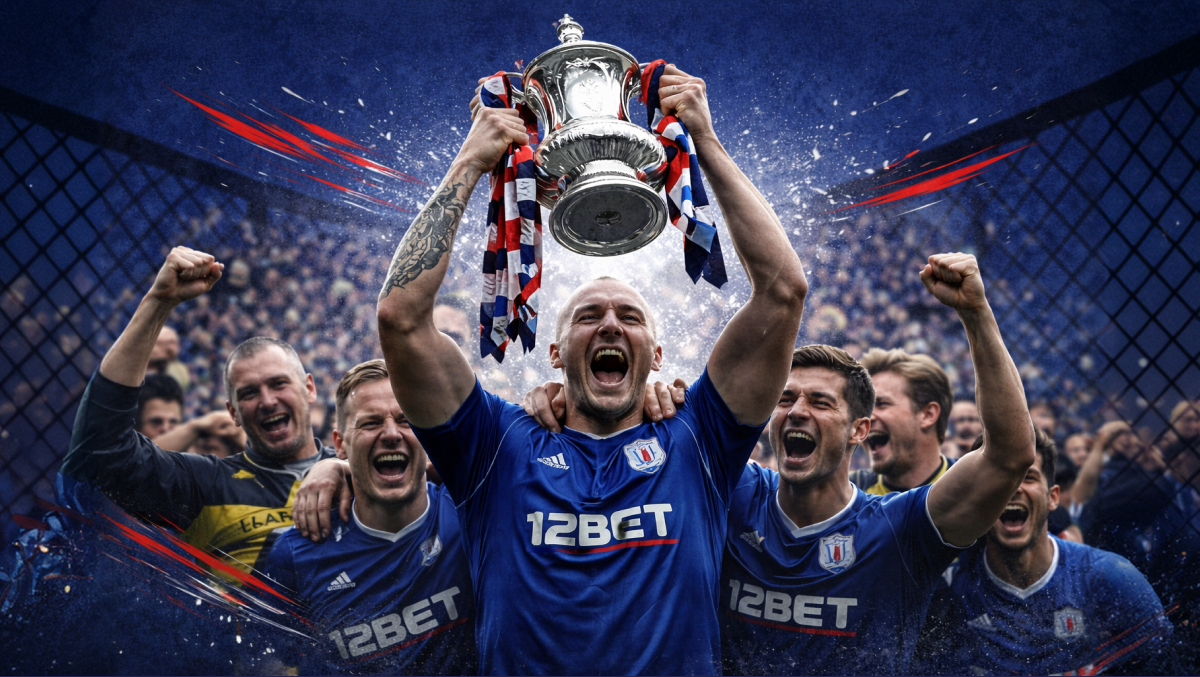
The FA Cup has always held a unique place in English football because it gives smaller clubs a genuine chance to upset the established order. Year after year, it produces the kind of drama league football rarely can, with underdogs rising to the occasion, famous names being humbled, and unlikely heroes writing themselves into the game’s folklore. That sense of possibility is what makes the competition so compelling.
Let’s celebrate the magic of this age-old competition by revisiting some of the most famous giant-killings and underdog stories in FA Cup history, while also highlighting what these shocks can reveal from a betting perspective.
FA Cup’s Greatest Giant-Killings
Before the heavyweights took their turn in the spotlight, these underdogs seized their moment and carved out their own place in FA Cup history.
Hereford’s Immortality (5 February 1972)
If there is one upset that practically defines FA Cup folklore, it is Hereford United beating Newcastle United 2-1 after extra time in the 1971-72 third-round replay at Edgar Street. Hereford were a Southern League side and had already earned a 2-2 draw at St James’ Park before taking Newcastle back to Edgar Street. On a bobbly, weather-hit surface in front of a packed crowd, Ronnie Radford’s thunderous equaliser from around 30 yards became one of the most replayed goals in English football history before Ricky George won it in extra time.
This upset contains every ingredient people mean when they talk about “the magic of the cup”: the giant from the First Division, the non-League host, the heavy pitch, the sense of siege, and a goal so cleanly struck it seemed to rise above the mud around it. Even decades later, Hereford’s win is still treated by the FA itself as the original classic giant-killing, the benchmark against which later shocks are measured.
Wrexham and the Old Master (4 January 1992)
Wrexham’s 2-1 win over reigning First Division champions Arsenal in January 1992 belongs in the same pantheon. Arsenal arrived at the Racecourse Ground as title holders, while Brian Flynn’s Wrexham were in the lower reaches of the Fourth Division, yet Alan Smith’s opener was overturned by a famous Mickey Thomas free-kick on 82 minutes and a Steve Watkin winner two minutes later.
This was not a lucky win built on one scrappy moment, but an emotional comeback in which Arsenal suddenly looked vulnerable, the crowd sensed an opportunity, and 37-year-old Mickey Thomas produced the quality and composure that changed the tie.
Non-League Defiance (7 January 1989)
Sutton United beating Coventry City 2-1 in the third round in 1989 remains one of the most beloved non-League ambushes of the modern era. Sutton, then outside the Football League, knocked out a Coventry side from the First Division that had won the FA Cup only two years earlier. Sutton restored their lead through Matthew Hanlan after Coventry had levelled and then survived the late pressure to complete the upset.
Modern Shocks (18 February 2017)
The competition kept producing fresh mythology in the Premier League age, even as money widened the game’s class divide. Lincoln City’s 1-0 win at Burnley in the fifth round in 2017 sent a National League side into the FA Cup quarter-finals for the first time in 103 years. The upset was sealed by Sean Raggett’s 89th-minute header at Turf Moor after a disciplined and defiant display against top-flight opponents.
Stamford Bridge Upheaval (24 January 2015)
Bradford City’s 4-2 comeback at Chelsea in 2015 was a different species of underdog tale, but no less astonishing. Bradford was a League One club and 2-0 down at Stamford Bridge against Jose Mourinho’s Premier League leaders before goals from Jon Stead, Filipe Morais, Andy Halliday and Mark Yeates flipped the tie into one of the wildest reversals in cup history.
Stevenage’s Statement (8 January 2011)
A few years earlier, Stevenage added another chapter by beating Newcastle United 3-1 in the third round in 2011. Then, a League Two side, Stevenage, turned the match with a deflected Stacy Long effort credited as a Mike Williamson own goal and a long-range Michael Bostwick strike. A late Peter Winn finish, along with Cheick Tiote’s red card, helped swing the tie fully away from the Premier League visitors.
What the FA Cup Giant Killings Signify?
The most famous FA Cup giant-killings endure because they are more than mere surprise results. They are scenes, textures and characters. People remember Radford’s shot skidding out of the Herefordshire gloom, Mickey Thomas bending in that free-kick with his socks around his ankles, Nigel Jemson toppling Everton with two goals for Shrewsbury in 2003, and Bradford refusing to accept the script at Stamford Bridge. These ties feel like little acts of footballing rebellion rather than routine upsets.
FA Cup upsets also matter because they are rare and meaningful. This term shouldn’t be used loosely, as it weakens its significance. Upsets (or ‘cupsets’) are results where the gap in quality, resources or status is genuinely dramatic. So, if the term is overused, then the difference between a routine cup loss for an understrength top-flight side and a result like Hereford beating Newcastle or Bradford stunning Chelsea, where the football order is genuinely turned upside down, is diminished.
What FA Cup Giant-Killings Mean for Punters
FA Cup upsets are not just memorable moments, as they can also present genuine betting opportunities. Because odds are often shaped by league position and reputation, they do not always reflect the unique dynamics of knockout football, where motivation, rotation, and match context play a much bigger role.
Underdogs Can Be Undervalued
The top football bookmakers typically favour top-flight teams, even in early FA Cup rounds. However, lower-league sides playing at home, with strong crowd support and nothing to lose, can perform well above expectations. This can make underdog odds more attractive than they first appear.
Team Rotation Changes the Equation
Premier League sides often rotate heavily in the FA Cup, especially in the third and fourth rounds. This reduces the quality gap between teams and creates more balanced contests than the odds might suggest. Spotting weakened line-ups can be key to identifying value.
Motivation Levels Are Not Equal
For smaller clubs, FA Cup ties can define their entire season. For bigger sides, particularly those competing in multiple competitions, these matches may not carry the same urgency. That difference in intent often leads to closer games than expected.
Markets to Consider Beyond Match Winner
Backing an outright upset is not the only approach. Bettors can also find value in markets such as double chance, both teams to score, or handicap betting. These options allow you to take advantage of competitive matches without relying on a full giant-killing outcome.
Is the FA Cup Magic Still Alive?
The magic of the FA Cup is still there. This national tournament remains widely broadcast, culturally significant and closely associated with drama. You can bet on FA Cup matches throughout the tournament at popular UK sportsbooks, with markets ranging from match outcomes to goals, handicaps, and outright winners.
Modern football has, however, made giant-killings harder to pull off. Results like Maidstone United’s 2-1 win at Ipswich Town in 2024 show that smaller clubs can still produce unforgettable upsets and capture the imagination of fans across the country.
At the same time, the modern game gives top clubs more advantages than ever. The gap in money and resources between the biggest teams and the rest is much wider now. This means stronger squads, better depth and more room to cope with difficult cup ties. The decision to scrap replays from the 2024-25 season has also made life tougher for smaller clubs, as they no longer have that extra chance to earn a replay, build momentum or bring in valuable revenue.
For bettors, that unpredictability is where the FA Cup becomes especially interesting. While favourites still win most ties, the competition regularly produces spots where odds don’t fully reflect the reality on the pitch. Understanding when a “giant-killing” is genuinely possible, rather than just romantic, is what separates casual bets from informed ones.
Related Posts


