
Bet on Anything: How Prediction Markets Change U.S. Betting

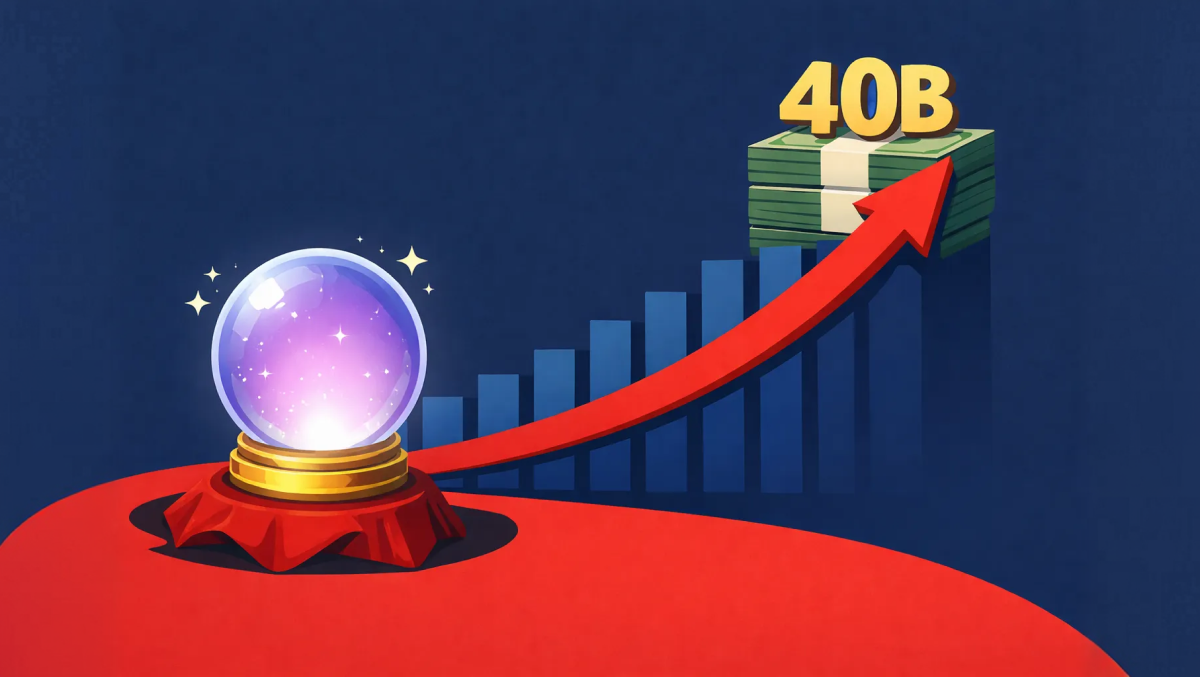
To bet on anything is no longer just a concept for the future; it’s a reality that’s already taking shape on a large scale. While much of the focus in the U.S. betting industry is on licensed sportsbooks and the ongoing battles over state regulations, prediction markets are emerging as a parallel system that is becoming increasingly mainstream.
At the heart of this transformation is Kalshi, a federally regulated prediction marketplace that operates under the oversight of the Commodity Futures Trading Commission (CFTC). Unlike traditional sportsbooks, Kalshi functions as a financial exchange, enabling users to trade contracts based on real-world outcomes. This new approach is prompting regulators, operators, and sports leagues to reconsider how sports betting is defined in the United States
- 01. Prediction Markets Are Scaling Faster Than Expected
- 02. Sports Are Powering the Bet on Anything Model
- 03. Sports Leagues Are Embracing Prediction Markets
- 04. Polymarket’s Return Confirms Consumer Appetite
- 05. Media Coverage Is Making Prediction Markets Mainstream
- 06. Operators Are Preparing for a Hybrid Future
- 07. What Happens Next Remains Unclear
- 08. The Bottom Line
Prediction Markets Are Scaling Faster Than Expected
Prediction markets were once viewed as niche platforms designed for political forecasting or academic modeling. That perception has changed rapidly. According to estimates cited by Foresight Ventures, Kalshi’s annualized trading volume jumped from approximately $300 million to between $40 billion and $50 billion since August 2025.
The growth rate picked up significantly towards the end of the year. In just one week, ending December 21, Kalshi handled $2.3 billion in trading volume. Throughout that month, the platform recorded 27.6 million individual transactions, a level of activity that puts it on par with established sportsbook operators.
Sports Are Powering the Bet on Anything Model
Despite offering contracts across multiple categories, sports have become the primary driver behind prediction market growth. Kalshi has disclosed that 90 percent of its total trading volume is now sports-related, reinforcing comparisons with the best betting sites in the U.S. market and confirming that the ability to bet on anything has found its strongest product market fit in sports outcomes.
December marked a significant shift. The College Football Playoffs and the NFL postseason sparked a notable increase in activity, leading to a sharp rise in trading volumes. If this trend continues, January is expected to see around $8.4 billion in total monthly volume, emphasizing how integral sports have become in this innovative betting landscape.
Sports Leagues Are Embracing Prediction Markets
Industry perception shifted further when major sports organizations began engaging directly with prediction market platforms. In October, the National Hockey League became the first major North American league to announce partnerships with both Kalshi and Polymarket.
This initiative was soon followed in December by a marketing deal between Kalshi and the Chicago Blackhawks. This was a groundbreaking moment, as it marked the first time a professional sports team in the U.S. publicly associated itself with a prediction market, adding credibility to platforms that enable users to wager on everything from playoff results to championship titles
Polymarket’s Return Confirms Consumer Appetite
Polymarket’s return to the U.S market in late 2025 outlines consumer interest in prediction markets is still alive and well. After being offline for nearly three years, its comeback is staged at a time when the regulatory landscape is still evolving and facing significant challenges.
Additionally, Kalshi has expanded its vast offerings beyond sports by partnering with TRON and planning to support Phantom in the future. Reports have indicated that Coinbase might be working on its own prediction market, which underscores the growing intersection between crypto and financial platforms, with the model of betting on various outcomes.
Media Coverage Is Making Prediction Markets Mainstream
Mainstream media partnerships have accelerated public awareness and pushed prediction markets closer to the same visibility associated with live betting sites. Networks including CNN and MSNBC have begun integrating Kalshi’s data into their broadcasts to visualize event probability. However, this growth coincides with rising tension between operators and local governments. Major sportsbooks, including DraftKings, FanDuel, and BetMGM, filed legal challenges against Chicago in December regarding the combined tax burden effects on long term sustainability of licensed sportsbooks.
Operators Are Preparing for a Hybrid Future
While sportsbooks publicly call for stricter enforcement against unregulated competitors, many are quietly adapting. DraftKings, FanDuel, and Fanatics have all launched or are developing prediction-market-style products of their own, signaling that the industry expects convergence rather than elimination.
League partnerships add another layer of complexity. When organizations like the NHL publicly support prediction markets, it becomes harder for regulators to simply shut them down without creating friction with leagues that depend on betting-related engagement.
What Happens Next Remains Unclear
There are several potential outcomes on the horizon. Federal regulators might clarify that prediction markets are clearly under the jurisdiction of the CFTC. Alternatively, states could claim broader authority over contracts related to sports. We might also see new regulatory frameworks emerge, similar to the proposed legislation in New York that specifically targets prediction markets.
What is clear is that prediction markets have reached a scale that makes them impossible to ignore. The ability to bet on anything has moved from novelty to mainstream demand, backed by real volume, real money, and real institutional support.
The Bottom Line
Prediction markets have become a significant player in the U.S betting landscape. Platforms such as Kalshi are handling billions of dollars each month, primarily fueled by sports betting. These platforms are also operated under a regulatory framework that differs from that of traditional sportsbooks.
For consumers, prediction markets provide a unique way to engage with various outcomes. For regulators and operators, they pose a structural challenge that will influence the future of wagering in the U.S. The industry’s response over the next couple of years will be crucial in determining whether the “bet on anything” model stays for keeps in American betting or continues to be a contentious regulatory issue.


