
Super Bowl 60 Bet on Kendall Commercial Explained: The Kardashian Curse Goes Mainstream

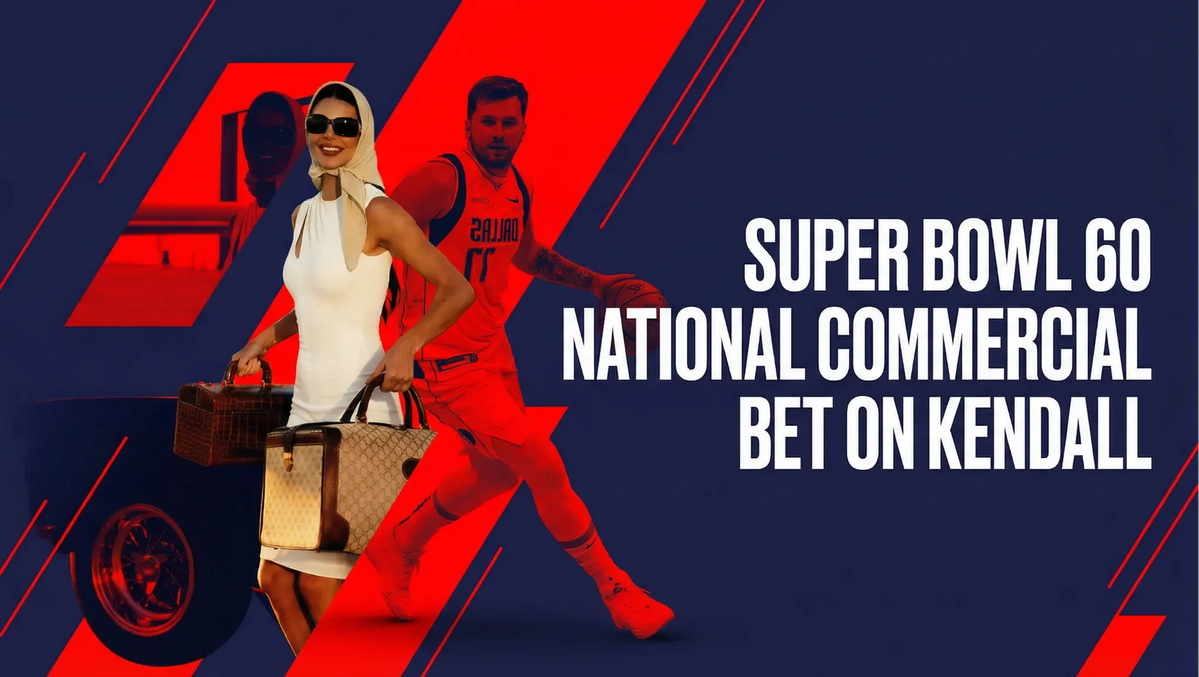
If you watched Super Bowl 60 and thought, “Why is Kendall Jenner suddenly part of football culture?”, you are not alone. The real reason? The Super Bowl 60 Bet on Kendall commercial wasn’t really aimed at football fans. It was aimed at the meme-charged internet that loves celebrity drama, conspiracy theories, and pop culture superstitions that refuse to die. That’s why this commercial exploded.
Instead of selling a product traditionally, it sold a story; a joke that’s been circulating online for years: the infamous Kardashian Curse. If you’ve ever seen someone tweet “that athlete’s career is over now” after dating a Kardashian-Jenner, you already understand the vibe. But Super Bowl 60 took it to the next level.
So, let’s see what the ad means, why it worked, and why it’s one of the most memorable Super Bowl 60 celebrity commercials people will still be talking about long after the final whistle.
- 01. Super Bowl 60 Commercials and Halftime Show: The Cultural Power Beyond the Game
- 02. What Is the Kardashian Curse Meme?
- 03. The Viral Strategy Behind Kendall Jenner’s Super Bowl 60 Betting Ad
- 04. Super Bowl 60 Commercial Drama: Kendall Jenner’s Ad Goes Viral Online
- 05. Super Bowl 60 Ads 2026: Celebrity Moments That Worked
- 06. From Meme to Mainstream: The Kardashian Curse Effect
- 07. Cultural Trends Behind the Super Bowl 2026 Advertising Moment
- 08. What the Bet on Kendall Super Bowl 60 Ad Got Right
Super Bowl 60 Commercials and Halftime Show: The Cultural Power Beyond the Game
The Super Bowl has become much more than a football game. Yes, tens of millions tune in for the action on the field. But just as many watch for:
- The halftime show
- The viral commercials
- The celebrity cameos
- The social media aftershocks
Over the decades, Super Bowl ads have become cultural events, with audiences dissecting them in real time, tweeting reactions, ranking favorites, and turning them into memes within hours.
By the time Super Bowl 60 rolled around, viewers had skyrocketed expectations for ad creativity and cultural relevance, and the Bet on Kendall commercial delivered just that.
What Is the Kardashian Curse Meme?
To understand why the campaign landed so hard with audiences, you need to know the story behind the Kardashian curse meme.
It’s a pop-culture belief that people who date members of a famous family experience misfortune afterwards, particularly athletes whose careers plateau or dip. Despite how often it’s talked about, there’s absolutely no scientific or empirical evidence that this “curse” is real. It’s a media trope, repeated across tabloids, sports blogs, comment threads, and social media. Still, this is exactly the kind of moment that proves how social media shapes sports betting trends on top sports betting sites, turning viral narratives into real-world hype almost overnight.
Its staying power has been significant because it involves:
- Celebrity relationships
- Sports performance speculation
- Confirmation bias (people noticing patterns where none exist)
- The irresistible nature of “what if” stories
Importantly, sports analysts have repeatedly dismissed the idea as a coincidence or stereotype, nothing more. But the meme has stuck around enough that millions of people online already know it, making it a powerful cultural reference point for a Super Bowl ad moment.
The Viral Strategy Behind Kendall Jenner’s Super Bowl 60 Betting Ad
During the Super Bowl 60 broadcast, the “Bet on Kendall” spot did something most brands avoid: it leaned into the chaos of the internet. By acknowledging the long-running “Kardashian Curse” memes, the campaign moved past being a standard celebrity endorsement and became a self-aware cultural commentary.
This shift is precisely why we saw a massive spike in user engagement. For the first time, a mainstream ad bridged the gap between pop culture superstitions and the math-heavy world of probability. It transformed a joke about “bad luck” into a literal call to action, reminding viewers that in the modern era, social media sentiment often dictates the impact of player narratives on NFL betting lines.
Super Bowl 60 Commercial Drama: Kendall Jenner’s Ad Goes Viral Online
Within hours of airing, the Super Bowl 60 Bet on Kendall commercial became one of the most talked-about moments of the night. Reports showed a sharp spike in app downloads right after the ad ran, proving people didn’t just watch it; they reacted to it. At the same time, social media platforms are flooded with clips, memes, and hot takes. In a year when a 30-second Super Bowl ad costs around $8 million, this commercial clearly got people talking. It quickly joined the list of viral Super Bowl ads 2026 that dominated post-game conversations.
What really fueled the buzz was timing. The ad aired close to the halftime show, and viewers immediately began joking about how “perfect” or dramatic that placement felt. Some called it smart marketing. Others called it messy. Influencers and entertainment outlets debated whether the Kardashian curse meme was harmless fun or an unfair stereotype. That mix of humor, drama, and celebrity gossip helped the commercial move beyond just advertising and turn into a full pop-culture moment.
Super Bowl 60 Ads 2026: Celebrity Moments That Worked
The 2026 Super Bowl featured a wide range of celebrity-driven commercials, each trying to make an impression:
- Nostalgia plays with classic film stars
- Musical cameos and comedic reinterpretations
- Other spots leaned into emotion or heartwarming stories
- Some missed the mark or failed to resonate
But what separated many of the most-talked-about ads was their willingness to engage in cultural narratives or unexpected humor.
In that context, the Bet on Kendall commercial didn’t just appear; it participated in the broader cultural moment.
From Meme to Mainstream: The Kardashian Curse Effect
There’s a reason stories like the Kardashian curse meme grip us:
- Humans are pattern-seeking creatures
- Narrative and coincidence often get mistakenly linked
- Celebrity culture feeds curiosity about the overlap between personal and public life
- Superstition has always lived at the intersection of belief and entertainment
Whether we believe in curses or not, we love the stories because they help us find meaning in randomness, especially when packaged with familiar names and big stages.
That’s why today’s pop culture often blends:
- Humor
- Irony
- Celebrity
- Shared mythology (internet meme culture)
This commercial did exactly that; it turned a long-running pop-culture idea into a storytelling device on one of the world’s biggest entertainment platforms.
Cultural Trends Behind the Super Bowl 2026 Advertising Moment
Looking at this phenomenon beyond the buzz, we see a few larger trends:
- Celebrity storytelling has evolved: Audiences want self-aware narratives more than hard-sell celebrity endorsements.
- Internet meme culture shapes televised content: Terms once confined to social media now drive mainstream media moments.
- Shared narratives bring people together: Even viewers who don’t watch football joined the conversation because the story was relatable and entertaining.
- Timing and context matter: Placement during the broadcast and surrounding cultural events amplified the impact.
In short, a moment that could have been just another ad became something much more.
What the Bet on Kendall Super Bowl 60 Ad Got Right
This cultural crossover commercial worked because it understood the internet better than most brands ever do. Turning a long-running meme into self-aware entertainment, it proved that today’s most powerful Super Bowl ads aren’t polished; they’re culturally sharp, a little risky, and impossible to ignore.
Related Posts