

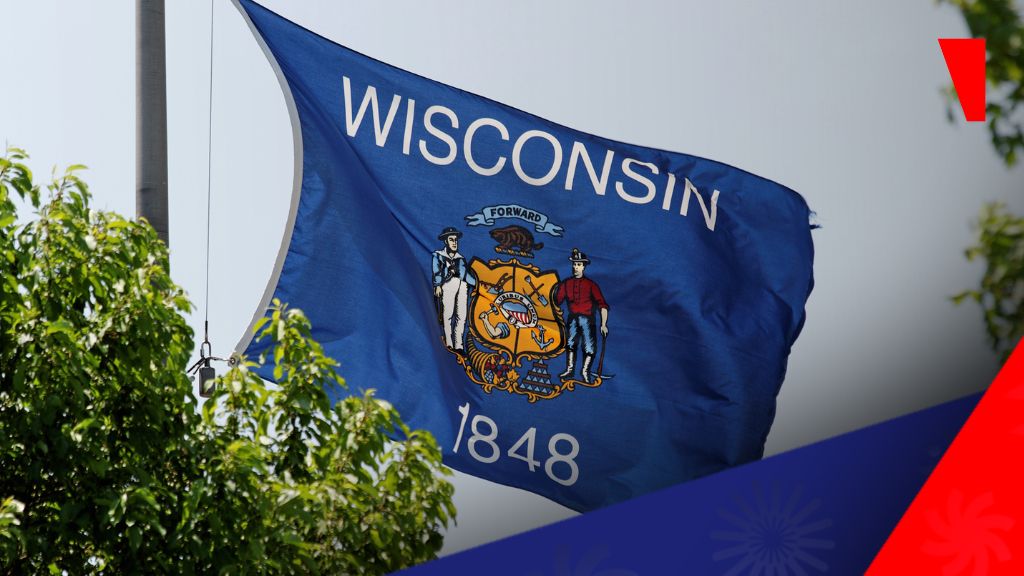
The Ho-Chunk Nation of Wisconsin has sued Kalshi and Robinhood, accusing the companies of violating the Indian Gaming Regulatory Act (IGRA) and engaging in racketeering and corruption. The federal lawsuit, filed in the Western District of Wisconsin, marks the latest legal challenge to the offering of sports-related event contracts by non-tribal entities on or near tribal lands.
The lawsuit follows similar claims made by a coalition of California tribal gaming interests, expanding the growing legal scrutiny of how sports contracts are marketed and operated across multiple states. In July, three federally recognised California tribes—the Blue Lake Rancheria, the Chicken Ranch Rancheria of Me-Wuk Indians, and the Picayune Rancheria of the Chukchansi Indians—filed a federal lawsuit against Kalshi and Robinhood. They allege that the companies are offering illegal sports betting disguised as “event contracts”, thereby violating tribal sovereignty and federal law.
According to the filing, the Ho-Chunk Nation alleges that Kalshi and Robinhood have collaborated to provide Class II gaming services, namely sports betting contracts, without proper authorisation. The tribe claims this directly contravenes the Indian Gaming Regulatory Act, which reserves the right to operate such games exclusively for federally recognised tribes on their own lands.

The lawsuit states that Kalshi, in partnership with Robinhood, has marketed its sports event contracts in a way that constitutes false advertising, positioning these contracts as legitimate betting products.
Claims of exploiting regulatory void at the CFTC
Additionally, the suit filed by the tribe alleges that Kalshi is exploiting a “regulatory void” at the Commodity Futures Trading Commission (CFTC). The court filing outlines a timeline of personnel changes at the CFTC. It does so while claiming that the absence of stable leadership has created conditions that allow firms like Kalshi to self-certify and expand their sports betting contracts without adequate oversight.
The tribal group cites the nomination of Brian Quintenz, a former Trump administration nominee and current Kalshi board member, as a conflict of interest, claiming that power within the CFTC is consolidating in a manner that benefits the company. In May when Quintenz filed for his nomination as chairman, in an ethics filing, he pledged to sever all ties with Kalshi, the prediction-market platform where he is a board member.
Quintenz faces probe call over Kalshi links
Quintenz currently faces a regulatory probe called by Congresswoman over his position as a board member at Kalshi, citing potential ethical violations and conflicts of interest. In a letter addressed to Acting CFTC Chairwoman Caroline Pham, Titus urged the agency to “release all relevant communications from or about Mr. Quintenz related to prediction markets and event contracts.”
Meanwhile, a section of the lawsuit filed by Ho-Chunk Nation reads, “On information and belief, Kalshi has been prolific in offering sports event contracts with the knowledge that the legality of their sports event contracts is highly questionable and widely criticised as an impermissible form of sports gaming or gambling, at a time when power in the CFTC is being consolidated in one commissioner, Quintenz, a Kalshi board member, with the knowledge that the CFTC is understaffed and lacks the resources to adequately review and regulate Kalshi’s self-certified contracts to ensure compliance with the Commodity Exchange Act (CEA).
The section further stated, “As a direct result of these events, Kalshi has been able to avoid regulation of its sport gambling activities by the CFTC.”
Legal relief and damages sought by Ho-Chunk Nation
The Ho-Chunk Nation is asking the court to declare Kalshi’s sports contracts outside the scope of the Commodity Exchange Act (CEA). In addition, the tribe is seeking an injunction to bar both Kalshi and Robinhood from offering these contracts on or near tribal lands, both temporarily and permanently. The tribe is also pursuing monetary damages, citing financial harm and regulatory overreach by the firms involved.
Kalshi facing legal challenges in five states
This case marks the fifth state in which Kalshi is facing legal challenges from regulators or tribal entities. This is also the second lawsuit where Kalshi is a defendant rather than a plaintiff. The legal developments indicate escalating concern from tribal governments and regulators about the expansion of event-based contracts into areas traditionally governed by tribal gaming laws.
Meanwhile, despite the legal setbacks, Kalshi recently submitted a proposal to offer betting markets on football matches, including point spreads, over/unders, and touchdown scorers. However, the launch depends on the approval from the CFTC and may encounter resistance from both state and federal regulators.
Robinhood also facing legal action in multiple jurisdictions
Robinhood, Kalshi’s alleged partner in offering the sports contracts, is also under fire with multiple legal proceedings. The company has filed lawsuits against regulators in Nevada and New Jersey after receiving cease-and-desist orders related to its role in offering these sports event products. These legal actions aim to challenge the authority of state regulators and to retain Robinhood’s ability to distribute event contracts in various markets.
Similar to Kalshi, Robinhood has also announced that it will start offering football prediction markets directly within its stock-trading app. In a press release, Robinhood stated that football prediction markets will be live “in the coming days” via its Predictions Hub. The new service, offered through Robinhood Derivatives in partnership with event-trading platform Kalshi, will allow users to trade contracts on the outcomes of both professional and Power Four college football games, including independents.


