
When Games Meet Judgment

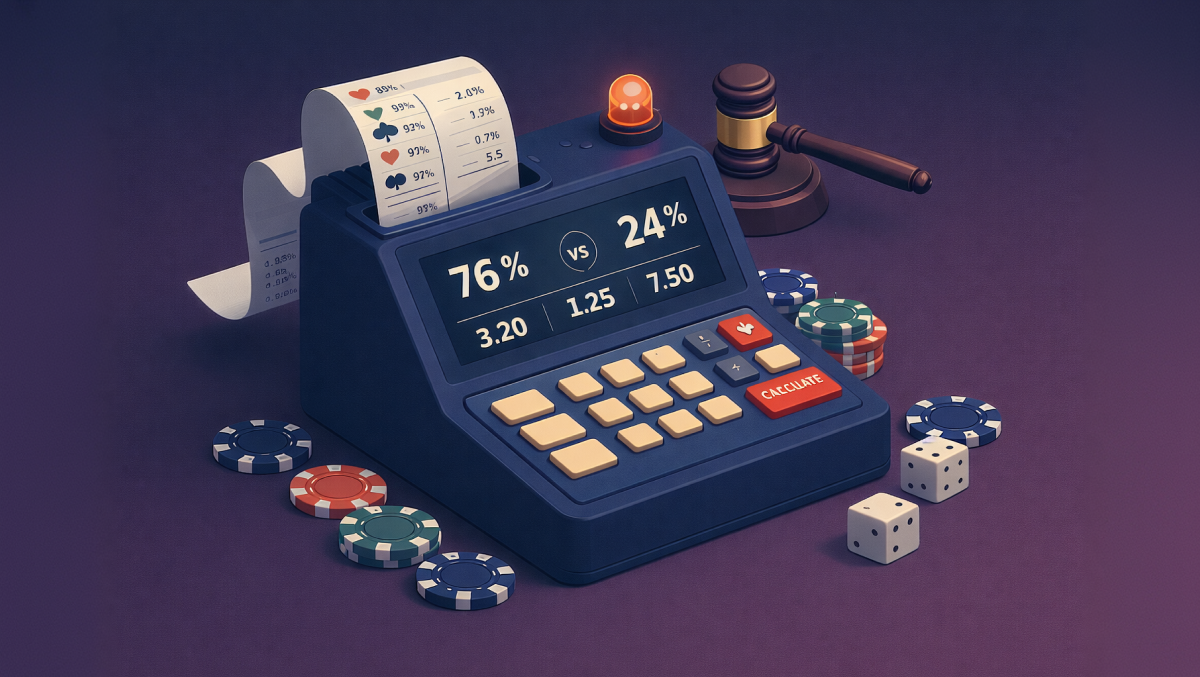
Imagine a system that determines the exact level of skill in casino gambling with courtroom precision. This concept is reminiscent of the futuristic thriller movie MERCY, where trials are swiftly decided by a machine calculating evidence and probability. If modern casino platforms applied this same logic, the results could definitively reveal the true nature of the skills involved in every bet. Competitive gambling would no longer just celebrate the final victory; it would analyze the intricate behaviors and decisions exhibited throughout the gameplay. Such an approach mirrors how industry analysts currently strive to differentiate between pure chance and genuine skill in digital gambling.
Skill Versus Chance in Modern Gambling
The dichotomy between the two is at the heart of most regulatory discussions. A game of skill primarily relies on the player’s mental or physical ability. A game of chance is one that is largely influenced by the element of probability involved in the outcome. The dichotomy between the two largely influences digital gambling. Games essentially influenced by chance generate outcomes randomly using random number generators (RNGs). The outcomes would not be influenced in any way by the actions taken by the players. A game largely influenced by skill rewards players for the experience they gain during gameplay.
Lessons From the Futuristic Courtroom
In the movie, the MERCY Capital Court in futuristic Los Angeles shows judgment under tight time constraints and pressure. Defendants have ninety minutes to gather evidence and prove their innocence. In the movie, probability determines the verdict rather than reputation and feelings. The accused detective has to reduce the probability of guilt from 97.5% to 92%. This scenario may seem fictional, but it leads to a very intriguing question for the gambling world: Will probability be used to determine if skill actually exists within games?
Why Skill-Based Games Attract Players and Operators
Recently, casino games have experienced tremendous growth within the digital gambling sphere. Modern players, particularly younger demographics are drawn to formats where their decisions directly influence the outcome. This sense of agency fosters intense competition, excitement, and socialization among users. Consequently, skill-based games drive measurably higher engagement and retention rates for operators. The inherent challenge encourages longer gambling sessions and frequent return visits. For casinos and online platforms, integrating skill-based elements is a highly effective strategy for acquiring new customers and appealing to millennials and Gen Z. However, determining exactly where chance ends and skill begins remains a complex challenge for regulators, resulting in a fragmented legal landscape across different jurisdictions.
Measuring Skill Beyond Wins
An advanced, MERCY-style analytical system would look beyond mere win/loss ratios. It would focus on the underlying process, examining a player’s timing, probability assessment, and risk management to uncover deeper behavioral patterns. For example, a player with a mixed record might actually be executing a mathematically sound strategy, while a player on a winning streak might simply be riding a wave of sheer variance. By assessing skill across thousands of simulated matches and scenarios, such technology could fundamentally redefine how platforms structure competitive tournaments. Furthermore, it would provide regulators with the empirical data needed to clearly distinguish a traditional gambling product from a legitimate skill-based contest.
The Future of Judging Play
The primary advantage of algorithmic skill assessment is transparency. When players understand the metrics used to evaluate them, it fosters a higher level of trust in the platform’s competitive integrity. Understanding gambling psychology and the role of skill is also important when evaluating how players make decisions under pressure and respond to risk. Yet, as MERCY illustrates, relying entirely on machines is not without risk; data manipulation and hidden biases remain a threat. Therefore, if iGaming platforms adopt these advanced systems, a balance between algorithmic judgment and human oversight will be essential. While we may not yet have the flawless courtroom machines of science fiction, the reality is closer than we think. The worlds of esports and digital gambling are already deploying sophisticated analytics to measure player proficiency. As these technologies evolve, so too will our understanding of the delicate balance between skill and chance.
Related Posts


