


Gamban turns focus to Japan amid rising problem gambling

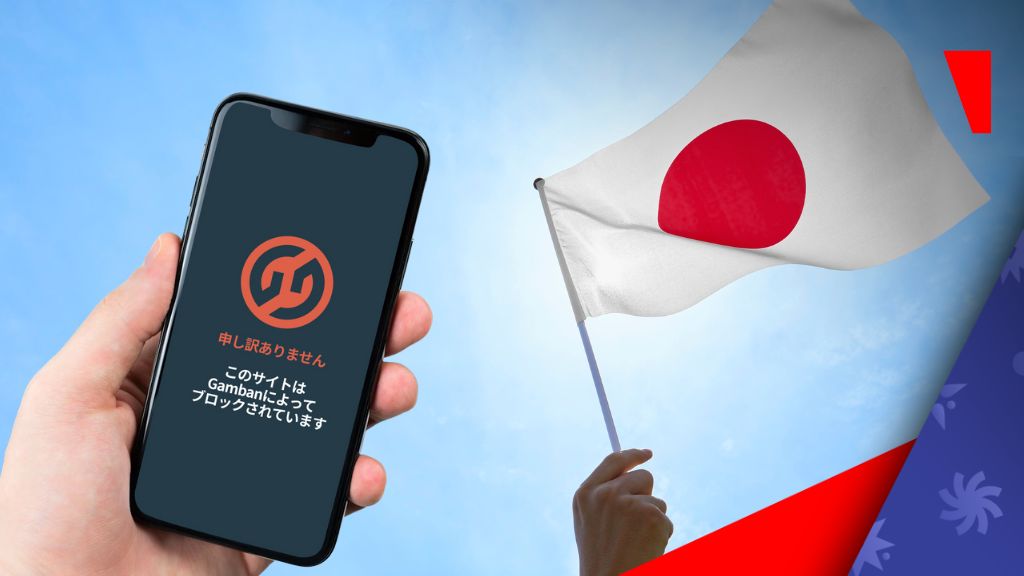
Gamban, a UK-developed app that blocks access to illegal gambling websites, is now available in the Japanese language, as Japan steps up efforts to address a growing problem of online gambling addiction.
The company has launched a fully localised Japanese website and onboarding system, marking a significant shift for the software, which the company says is accessible in Japan since September. Still, it has remained vastly underused due to language barriers. Campaigners say the localisation could make prevention tools more accessible at a time when enforcement against illegal online gambling continues to struggle.
Once installed, Gamban blocks access to gambling websites and apps across all devices. The company says it currently restricts more than 360,000 illicit gambling domains and applications, with around 300 new sites added daily. The software is designed to be difficult to remove, reflecting what developers describe as a key challenge in addiction recovery.
In addition to blocking access, the app allows users to track how much time and money they have saved by avoiding gambling, and directs them to local support services. Globally, nearly 500,000 people have registered for Gamban, with more than 100,000 active users.
Co-operation from regulators?
In several jurisdictions, including the UK, Norway, and Finland, regulators or state-controlled gambling operators subsidise the app, making it available free of charge. The annual cost of Gamban is £25 (€29), a price that campaigners say is often unaffordable for people facing gambling-related debt.

In Japan, the cost, as of now, is covered by the nonprofit Society Concerned About Gambling Addiction, which supports people affected by gambling harm and their families. Around 90 users have signed up through the organisation so far. Its head, Noriko Tanaka, a former gambling addict, describes the software as “extremely effective”, but says financial constraints limit how widely it can be offered.
But this renewed focus on harm-reduction tools comes as Japan confronts the scale of illegal online gambling. Betting through online casinos has long been prohibited, yet a National Police Agency report estimates that 3.37 million people in Japan have used such services. Around two million are believed to be active users, wagering a combined ¥1.24 trillion (€7.9bn) each year.
Japan fights ‘problem gambling’
In September 2025, revisions to Japan’s anti-gambling addiction law came into force, banning online casino operations and advertising, including on social media. However, authorities acknowledge that enforcement remains difficult. Many gambling websites targeting Japanese users are operated from overseas jurisdictions such as Curaçao, Malta, and Costa Rica, placing them beyond the reach of domestic law enforcement.
The government has sought cooperation from foreign regulators and internet platforms, but officials admit progress has been limited. Virtual private networks, which allow users to mask their location, further complicate efforts to block access. Public concern has intensified following a series of cases involving minors, students, and even police officers gambling online. Campaigners warn that younger users are particularly vulnerable, often exposed to misleading advertising that suggests online casinos are legal.
In March 2025, Japan’s cabinet approved a three-year national plan to combat gambling addiction, combining public awareness campaigns, stricter oversight, and expanded support services. While prevention tools such as Gamban are not part of the legislation, advocates say they are increasingly being viewed as a practical response to a problem that regulation alone has yet to contain.
Be part of the action! Join the world’s biggest iGaming community with SiGMA’s Top 10 News countdown. Subscribe HERE for weekly updates, insider insights, and exclusive subscriber-only offers.


