


Google blocks offline gambling ads in seven African countries

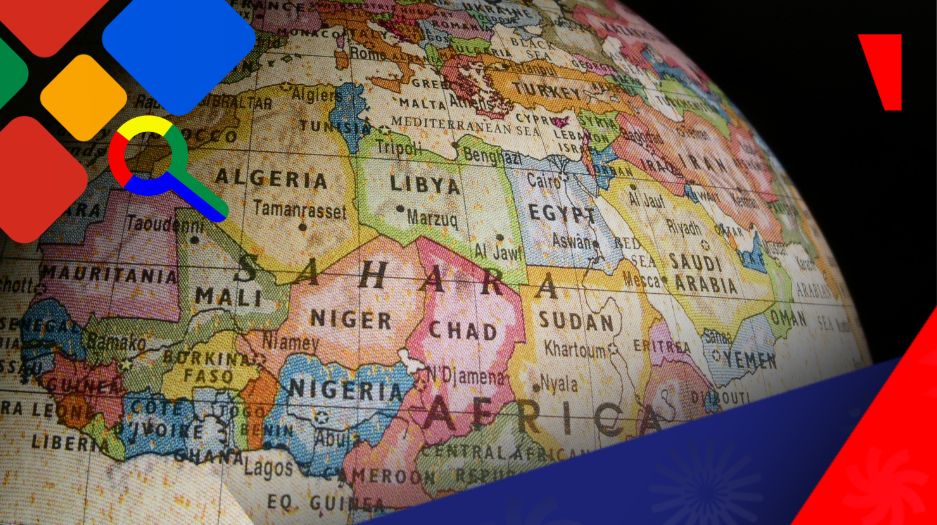
Google has widened its restrictions on offline gambling advertisements to 42 countries. The expanded list includes seven countries within Africa, namely Algeria, Djibouti, Egypt, Libya, Morocco, Sudan, and Tunisia. This reform aims to support compliance with local laws while limiting unauthorised promotion of physical gambling venues.
A PPC Land report states: “Google updated its Gambling and Games policy on 19 November 2025, expanding restrictions on offline gambling advertisements to 35 countries where such promotions violate local laws.”
This update defines the scope of offline gambling in clearer terms. The report added: “Offline gambling now encompasses ‘legal physical, real-world gambling activity or establishments’ including brick-and-mortar casinos, gaming parlours such as pachinko parlours, and streaming of offline poker tournaments.”
The definition separates offline gambling from certified online gambling content. The report continues that online gambling and social casino games “operate under separate certification requirements within Google’s advertising framework”.
Google now requires advertisers promoting offline gambling in affected African countries to meet strict compliance standards. Non-compliance may lead to ad disapprovals or account penalties. Repeated violations may result in account suspension.
Broader global impact beyond Africa
The expanded list includes markets outside Africa with strong gambling restrictions. The newly highlighted countries include Afghanistan, Bahrain, Bangladesh, Bhutan, Bulgaria, China, Estonia, Hong Kong, India, Indonesia, Iraq, Italy, Jordan, Korea, Kuwait, Lebanon, Lithuania, Malaysia, the Maldives, Northern Ireland, Oman, Pakistan, Palestine, Philippines, Qatar, Saudi Arabia, Singapore, Syria, Taiwan, Thailand, Turkey, Ukraine, the UAE, Vietnam and Yemen.
These additions show Google’s push to strengthen global advertising compliance. The update follows widespread concerns about unregulated promotions linked to physical gambling establishments. It also mirrors regulatory changes currently reshaping the global iGaming industry.
Online gambling ads continue under certification
The prohibition concerns only physical gambling promotions. Online gambling ads remain allowed in regions where operators are certified and licensed. Certification requires proof that operators hold valid licences for the targeted jurisdiction.
This policy direction is expected to shift marketing strategies among operators. Some may invest more in digital channels, sponsorships, partnerships, and local activations. The shift is especially relevant in African markets where offline gambling is tightly monitored, particularly in North and East Africa.
The change reflects a wider trend towards stronger advertising rules. Governments and regulators are focusing on consumer safety and responsible marketing. Google’s policy provides clearer direction for operators planning cross-border campaigns within the iGaming sector.
Google opens ad access in Cameroon and Namibia
Despite the new regulations, Google has expanded its platform to accommodate licensed operators in both Cameroon and Namibia. This programme rolled out on 19 August 2025.
Such an act also emphasises the importance of maintaining harmony by Google amidst different regulatory regimes. This law promotes business success in the new market while considering the protection of consumers.
Google is “revolutionising the way gambling operators interact with prospective customers in both territories by enabling licensed operators to advertise their offerings.” This change allows the operators to market their offerings to players through the mobile platform.
Regulatory requirements and certification procedures
Google outlines strict requirements for operators in Cameroon and Namibia. From Google’s official statement, highlighted, “Advertisers in Cameroon and Namibia may promote online gambling content, including sports betting, online games and gambling-related lotteries, provided they meet local licensing requirements.”
Google enforces certification to prevent unauthorised operators from advertising gambling content. The process checks legal status and supports safer market environments.
The Agence de Régulation des Jeux must license Cameroonian operators. This approval is mandatory before certification begins. Operators in Namibia require licences from the Gambling Board and the Lotteries Board. These steps support safer growth in both iGaming markets.
Building transparency and consumer protection
Google’s certification service protects operators who are licensed while filtering out the unlicensed ones. This regulation enhances the authenticity of gambling adverts. It also ensures customers engage with the safe world of licensed gambling.
But the policy also encourages operators who target African audiences to be accountable. Google intends to revise the Gambling & Games policy web page once the new law comes into effect. This step reinforces its commitment to legal compliance and user protection.
These developments come as online gambling continues to grow across Africa. The shift from offline-heavy marketing to regulated digital advertising shows how the iGaming industry is adapting to changing global standards.
Step inside the world’s biggest iGaming community. Join HERE for weekly updates from the world’s iGaming authority and unlock subscriber-only offers.


