


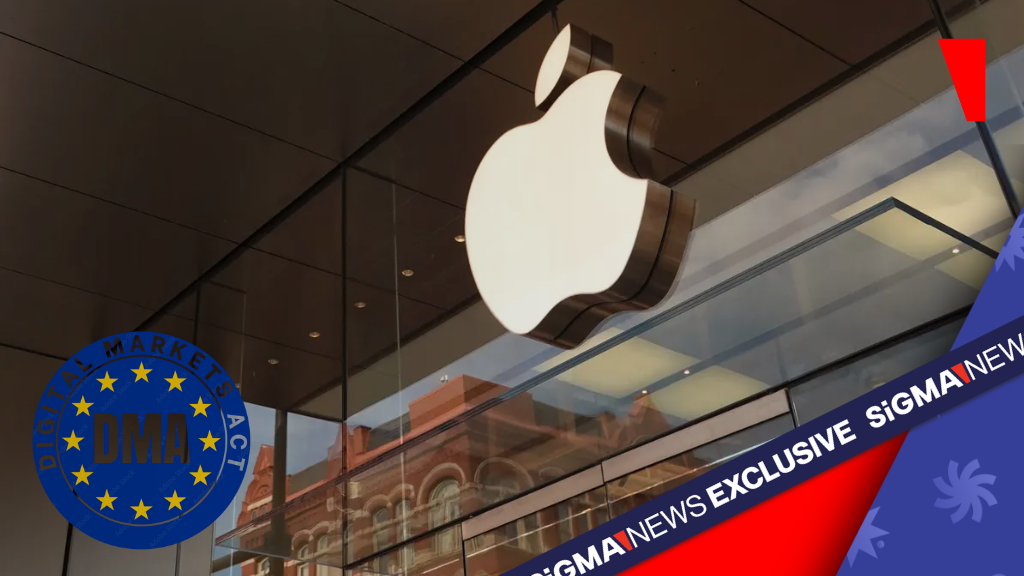
The Digital Markets Act (DMA) has forced Apple to make some changes to the development and delivery of products to users in Europe. The company is introducing support for sideloading, third-party app stores, and alternative payment systems, which changes the familiar model of content distribution and monetisation on iOS devices.
Last week, the company published a manifesto detailing the implications of this law for its customers. However, what Apple calls disadvantages are advantages for representatives of the iGaming ecosystem.
How the DMA affects the user experience
The DMA is a regulatory act introduced by the European Union in 2022 to change the approach of technology companies to the development of their products. It requires tech giants to review their business models, including how apps are downloaded, payments are made, and devices interact with each other. In accordance with the requirements of this law, Apple is introducing support for third-party stores and alternative payment systems, which was previously impossible on iOS.
The company warns that users in the EU may experience delays in accessing new features. “The DMA is slowing us down. The list of delayed features in the EU is likely to get longer,” Apple said in a statement on its official website.
Nevertheless, for iGaming payment providers, the DMA opens the way to direct interaction with users, lower commissions, and expanded payment infrastructure. The ability to bypass the App Store and integrate proprietary payment solutions can significantly increase conversion rates. Dmitry Belyanin, iGaming expert and founder of Blask, draws attention to this in his LinkedIn post:
The European Commission continues to gather feedback from companies and citizens, assessing the impact of the DMA on the digital ecosystem. While Apple adapts to the new requirements, representatives of the iGaming industry see the DMA as a growth point and an opportunity for technological diversification.
Key changes for developers
Apple continues to provide the same level of protection, while noting that the changes brought about by the DMA affect the user experience and platform architecture. The company informs users about the risks associated with the transition to a more open ecosystem.
The introduction of DMA has many implications for the company’s users in the EU. In particular, it allows:
- Sideloading;
- Alternative payment systems;
- Multiple app stores on iOS.
Users in the EU now have access to apps through multiple platforms, each with its own rules and standards. The company warns about the appearance of gambling apps on iPhones from other stores in regions where the law prohibits it. On the other hand, this expands choice and opens up new distribution channels for developers.
The DMA also allows for the integration of alternative payment solutions, reducing dependence on the App Store’s single system. Developers get the opportunity to adapt apps to local regulatory requirements and test new features without additional approvals.
Overall, for developers in the financial technology sector, the updated App Store model in the EU opens up access to new audiences, lowers barriers to entry, and stimulates the development of innovative solutions.
Expanded access to user data
The DMA also requires technology companies to provide third-party developers with access to key features and user data. The company notes that it must satisfy most such requests, even if they concern confidential information.
According to Apple, third-party companies have already submitted requests for access to the content of user notifications, including messages, emails, and medical alerts. According to an official statement, this data was previously unavailable even to Apple itself. It also has requests for Wi-Fi connection history, which could reveal information about movements.
The company emphasises that it can make these changes in compliance with the DMA. However, it continues to inform customers about the nature of the requests it receives and the potential implications for digital security.
Apple’s appeal
Apple has called on EU regulators to review the implementation of the DMA. It is calling on the European Commission to take a closer look at the impact of the law on users who interact with its products daily.
According to Apple, companies may use the provisions of the Digital Markets Act not to stimulate innovation, but to gain access to technology and data at no additional cost. That, the company argues, does not contribute to the development of the European market but creates an imbalance in the competitive environment. The company says it will continue to advocate for European customers to ensure they have the same level of technological experience as in other regions of the world.
This article was first published in Russian on 2 October 2025.
All roads lead to the mother of all conferences in Rome, 03–06 November 2025. SiGMA Central Europe takes centre stage at Fiera Roma, uniting 30,000 delegates, 1,000+ exhibitors, and 550+ expert speakers. This is where legacies are built, and the future takes shape. Connect with the innovators’ driving change.


