
Prediction markets are wagers under Nevada law: Regulator

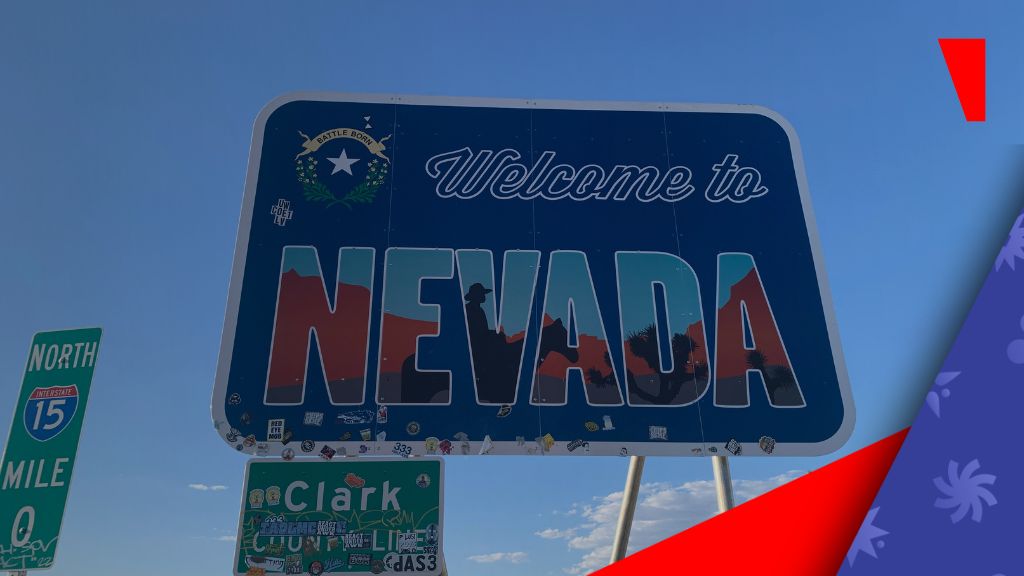
The Nevada Gaming Control Board (NGCB) has formally cautioned licensees that “sports event contracts,” including prediction-market style wagers on outcomes of sports, esports, awards shows, or elections, fall squarely within the definition of wagering under Nevada gaming law. The Board issued a new industry notice clarifying that such instruments are subject to its jurisdiction unless operated under a properly licensed gaming framework.
What constitutes as wagering in Nevada?
The Board noted that it interprets NRS 463.0193 and 463.01962 to include offerings of “sports event contracts” or analogous “other events contracts” as wagering activity, regardless of whether those contracts are listed on a Commodity Futures Trading Commission (CFTC) regulated exchange or elsewhere.
Specifically, contracts pegged to the outcome or partial outcome of sporting or athletic events, the World Series of Poker, the Oscars, esports, or political elections are among those the board views as falling under its oversight.
According to the board, such contracts may be offered in Nevada only if the operator holds a nonrestricted gaming licence with sports pool approval, and otherwise satisfies the full complement of statutory and regulatory requirements applicable to sports wagering in Nevada. Licensees who operate or partner with entities offering sports event contracts, whether in Nevada or in other states, may face suitability or disciplinary consequences. Unlawful conduct in other jurisdictions or violations of tribal gaming compacts may cast doubt on a licensee’s “good character and integrity.”
The NGCB also warned that new licensing applications will be scrutinised for such conduct, and that existing licensees’ suitability may be reevaluated if they engage in or partner with unlicensed event contract operators. In short, the NGCB positions such contracts as essentially indistinguishable from conventional forms of wagering under state law unless fully regulated and licensed.
Context: Prediction markets, litigation, and the broader dispute
This notice comes amid an escalating clash in the US between state gaming regulators, tribal gaming entities, and firms supporting prediction market models for sports and other events.
Kalshi, a prediction-market platform, earlier received a cease-and-desist order from the NGCB. Kalshi subsequently secured a temporary reprieve, allowing it to operate in Nevada while litigation proceeds. More recently, Robinhood Derivatives LLC filed a lawsuit against Nevada gaming regulators seeking declaratory relief to operate sports event contracts without being treated as wagering under state law.
The NGCB, meanwhile, has expressed concern over FanDuel’s announced partnership with CME Group, which could open doors for event contracts structured through a futures-exchange style model. The board reportedly flagged this in internal meetings. In parallel, Crypto.com also faced legal pushback in Nevada over its offerings of event contracts, with courts appearing skeptical of arguments distinguishing such contracts from gambling.
Exacerbating matters, the CFTC recently dropped its appeal in a ruling that had allowed Kalshi to list political event contracts, further emboldening proponents of a federal framework for prediction markets.
The collision between federal and state regulatory regimes lies at the heart of the debate: whether such contracts should be treated as securities/derivatives regulated by the CFTC, or as wagers regulated by state gaming commissions, or both.
What this means for operators and stakeholders
Operators or prospective entrants must now carefully assess whether their business models will be labeled as gambling under Nevada law, and whether they can satisfy the licensing and operational safeguards for sports wagering in the state. Meanwhile, partners or affiliates of Nevada licensees must ensure their own operations in other jurisdictions are fully compliant with local laws, or risk tainting the licensee’s suitability.
On the other hand, tribal gaming interests may find new leverage: the NGCB specifically called out violation of tribal compact rights as a potential basis for disciplinary action. Litigants in the pending suits will likely lean heavily on constitutional and preemption arguments, seeking to carve out a space for prediction markets immune from state wagering laws.
Stay in the loop and join the biggest iGaming Community in the world with SiGMA’s Top 10 news countdown. Subscribe HERE for weekly updates from the world’s iGaming authority and exclusive subscriber-only offers.


