


Thailand plans to roll out private lottery scheme for citizens

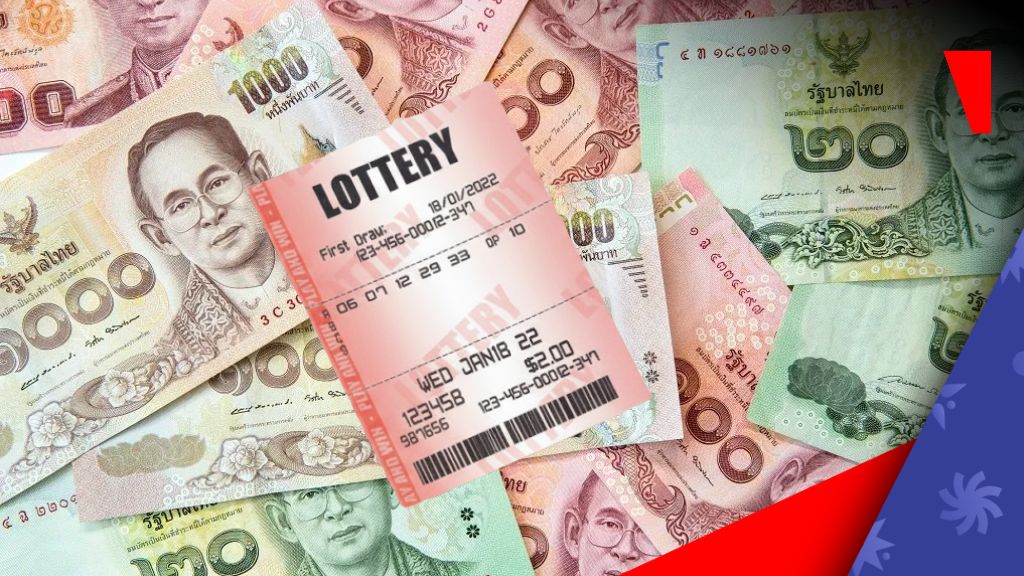
The Government Lottery Office (GLO) in Thailand is planning to implement a new “lotto-style” program, which would drastically alter the strictly regulated lottery industry in the nation. The proposal comes at a time when sales of current products, especially the three-digit N3 lottery, are still poor.
The plan will end the GLO’s monopoly on all lottery operations by allowing private companies to oversee ticket issuance, prize draws, and payouts. The model would replicate systems that are used around the world, where jackpots increase in value and attract more players by rolling over into subsequent draws if they are not claimed.
The GLO currently oversees two main formats: the traditional six-digit lottery and the newer N3 lottery. The N3 was introduced to compete with Thailand’s underground lottery system, which has long drawn significant participation due to its three-digit betting format.
Failure prompts decision
Despite efforts to bring this informal practice into the formal economy, the N3 has shown negative results. Priced at only THB20 (€0.52) per ticket, sales have fallen well below expectations. Out of a six-million ticket cap per draw, only about two million are usually sold.
Officials believe expanding the network of authorised sellers could help address the problem. At present, the N3 has around 4,000 approved sellers compared with 30,000 for the six-digit lottery. By widening distribution, the GLO hopes to improve accessibility and generate higher participation rates.
The agency is also gathering public feedback on possible amendments to its governing law. Any changes could allow greater product development and provide the legal foundation for the rollout of a lotto-style system. Such a reform will modernise Thailand’s lottery sector, making it more competitive and aligned with international standards. However, critics warn that involving private operators could complicate the regulation and monitoring of an industry already vulnerable to underground activity.
Retirement lottery already implemented
The discussion comes alongside another major reform, i.e. the launch of a new “Retirement Lottery”. The program, which combines lottery participation with long-term savings, was approved by Parliament earlier this year with resounding support. Tickets for the Retirement Lottery are to be available for citizens at approximately THB 50 (€1.30) each, with a monthly spending limit of THB 3,000 (€78).
Participants can access their money at age 60, and every baht spent is counted as savings rather than a wager. In order to provide flexibility, early withdrawals will be permitted in certain circumstances. Thai citizens who are 15 years of age or older will be eligible, though some lawmakers have proposed raising the minimum age or granting earlier access to funds.
The scheme has been praised by international observers, including the World Bank, as an innovative way to combine financial planning with a familiar form of lottery participation. The Retirement Lottery is intended to offer a legitimate substitute for underground systems, which frequently result in financial loss and do not support the economy, as former Deputy Finance Minister Paopoom Rojanasakul had emphasised.
Lottery is still one of the few regulated forms of online gambling, but Thailand has already rejected the possibility of legalising any other forms for now. Future public consultations and legislative changes will determine whether the GLO’s proposed lottery-style scheme can boost sales and combat the rise in illegal betting.
Colombo’s ready for South Asia’s premier iGaming summit. Join 5,000+ delegates at SiGMA South Asia, 30 Nov – 02 Dec 2025. Network, scale, and grow in one of the world’s fastest-rising markets, where new markets meet new horizons.


