


The conversation around accessibility in iGaming has been waiting too long to begin. Around one in five people who take part in online entertainment live with some form of disability, according to AbleGamers. At the same time, 86 percent of people with disabilities use the internet every day. Yet, most gambling platforms remain difficult to navigate for those with visual, hearing, or motor impairments.
This is not about promoting gambling. It is about equality of treatment. Every user should be able to access online entertainment safely, comfortably, and responsibly. Accessibility in iGaming is not a side project; it is a crucial aspect of the industry. It is the foundation of fair play and responsible product design.
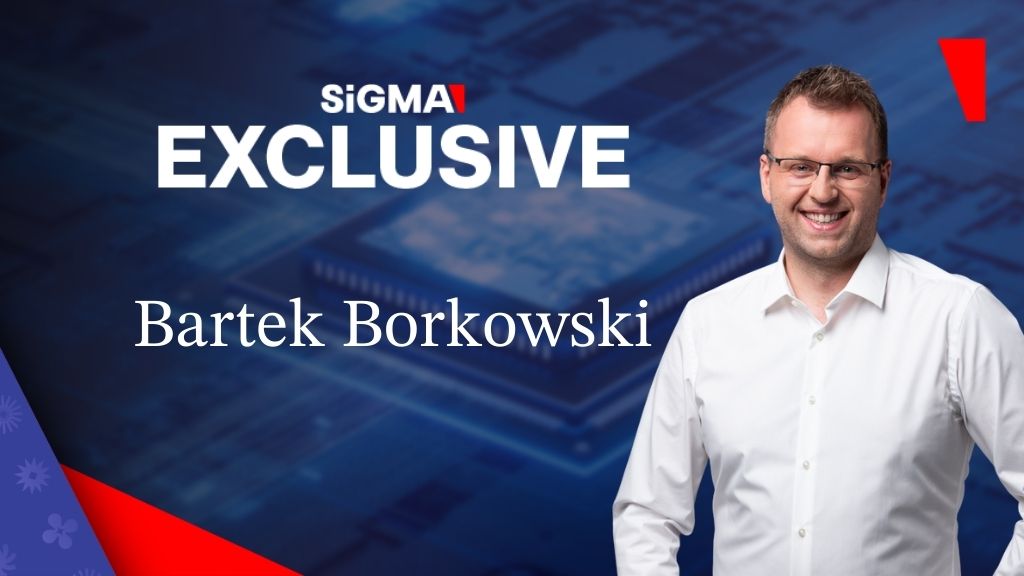
Bartek Borkowski, Managing Partner of createIT, believes this conversation must now reach the mainstream of the gambling industry. He tells SiGMA News, “Adapting platforms to the needs of people with disabilities is not about encouraging gambling. It is about treating all groups equally, as in every other area of life.”
The new compliance frontier for accessibility in iGaming
Accessibility is fast becoming a defining feature of digital law worldwide. In the United States alone, more than four thousand lawsuits were filed in 2024 under the Americans with Disabilities Act. A recent case involving Discord highlighted how unclear navigation and missing labels can breach equal-access laws. The message is clear: accessibility is no longer a voluntary upgrade but a legal and moral expectation.
European regulators are moving in the same direction. The EU’s Web Accessibility Directive and the upcoming European Accessibility Act will soon apply similar standards to private digital services, including those in the entertainment sector. For gambling operators, this means that waiting for a legal challenge is no longer a sustainable strategy. Compliance is the floor. Inclusion is the goal.
Accessibility in iGaming is increasingly tied to licence conditions, responsible-gambling frameworks, and brand reputation. Operators that act first will save on costly retrofits and avoid reputational risk later.
Design mechanics fixing the friction
Borkowski’s team at createIT demonstrated how simple design changes can transform access without affecting gameplay. In one instance, a missing field label prevented screen reader users from completing the registration.
The UX study, prepared by the design and development teams at createIT, showcases practical examples of accessibility fixes across registration panels and navigation flows, demonstrating how minor changes can dramatically improve the user experience. Adding descriptive labels resolved the issue in under an hour. Another minor adjustment, clearer link contrast, and visible hover states immediately improved navigation for colour-blind players.
These fixes align with the four core principles of the WCAG standard: perceivable, operable, understandable, and robust. For operators, that means using high-contrast text, adding captions and transcripts for audio content, ensuring logical keyboard navigation, and testing with assistive technologies.
Accessibility in iGaming is not a technical burden. It is a design discipline that mirrors what the wider digital world already expects. Every improvement that helps a user with a disability also benefits those with slower devices, older browsers, or those in noisy environments. In a previous SiGMA News article, Borkowski discussed how iGaming affiliate marketing is facing AI-driven disruption and the growing complexity of influencers.
Innovation meets inertia across the industry
Operators face a choice between inertia and progress. Some early movers, including a handful of US platforms such as DraftKings and FanDuel, are experimenting with colour-blind-friendly dashboards and clearer tab-order navigation. These are small steps, but they signal awareness that accessibility in iGaming will soon define user experience.
The benefits are measurable. Borkowski’s case study lists higher satisfaction, longer retention, stronger loyalty, and positive brand reputation among operators who invest in inclusive design. Market expansion follows naturally when millions of potential users can finally access products without barriers.
Yet the barriers are not only technical. Retrofitting old platforms is costly, and cross-team accessibility training remains rare. Too often, user testing excludes people with disabilities entirely. Artificial intelligence can help bridge that gap by adjusting interfaces in real time, changing font sizes, colour contrast, or layouts to match individual needs. The technology already exists. The barrier now is cultural, not technological.
When responsibility and accessibility align
Accessibility in iGaming connects directly to responsible gambling. Studies continue to show a clear pattern. Isolation, fewer entertainment choices, and economic pressure can make gambling harm more likely among people with disabilities. True accessibility, therefore, requires products that are both open and protective. SiGMA News recently spoke to former professional footballer Clarke Carlisle, who shared powerful personal insights into how gambling harm in sport can grow behind closed doors.
Borkowski emphasises that responsible gambling adaptations must reflect real user needs, including accessible self-exclusion tools, adjustable deposit limits, and help centres that are compatible with screen readers. Awareness campaigns must also be written in clear, concise language and delivered through accessible formats such as captioned video or readable typography.
External experts agree. Public-health advocates point out that inclusion reduces harm by empowering users to manage their own play. Accessibility and responsibility are not competing goals. They are two halves of the same ethical standard.
From awareness to action
Every operator can begin today. Start with an accessibility audit. Test your platform with one screen-reader user. Review colour contrast and captioning. Update your help pages so every player can find support in their preferred format.
Accessibility in iGaming is not a future ambition; it is a core value. It is a present responsibility. The rewards extend beyond compliance. They build trust, loyalty, and longevity.
If iGaming truly aims to be entertainment for everyone, accessibility can no longer sit outside the table.
*Bartek Borkowski – Founder and managing partner at createIT. He is also the host of CEOpen Mic, a podcast where he speaks with C-level executives from the iGaming industry about their journeys, motivations, successes, and failures.
Don’t just read the news — stay ahead of it. Subscribe HERE to SiGMA’s Top 10 News countdown for stories shaping iGaming’s future, weekly insights from the world’s biggest iGaming community, and exclusive subscriber-only offers.


