


How affiliates are changing strategy for 2026 as Google AI dominates

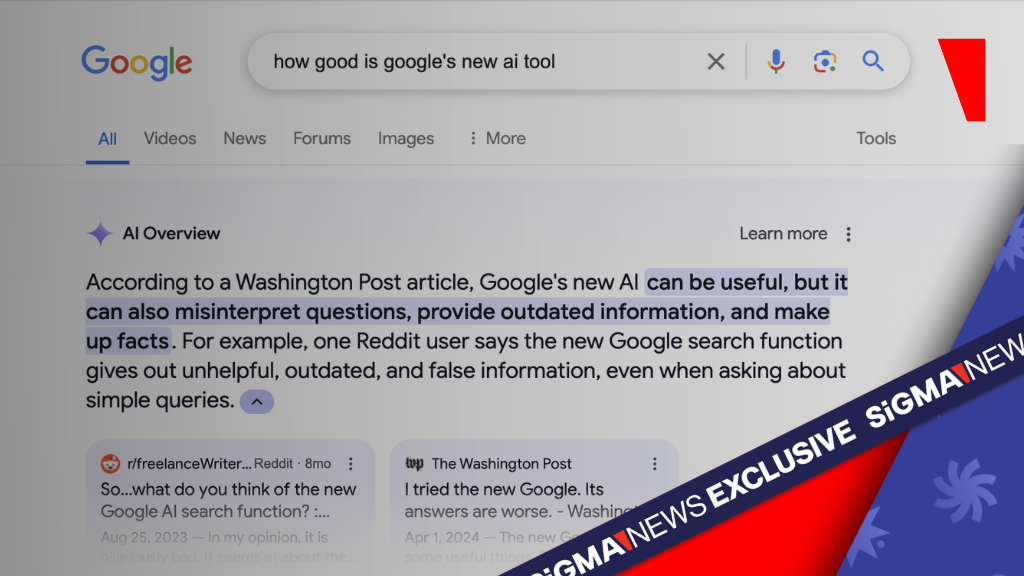
The past year, 2025, was a turning point for affiliate marketing in iGaming. Google AI is no longer just a ranking factor; it has become an active participant in user scenarios, generating responses, suggesting solutions, and selecting search result clicks. Consequently, organic traffic is being redistributed in favour of AI summaries, rendering traditional SEO techniques less effective.
A qualitative shift in priorities
Affiliates are changing their priorities. It’s no longer the number of links that matters, but the quality of interaction. This shift involves focusing on the long-term value of players rather than short-term CPA, working more in regulated jurisdictions, and prioritising personalisation and the mobile experience. The new approach also involves integrating AI assistants and formats that facilitate voice and semantic search.
Tools and tactics that work now:
– Meaningful content instead of voluminous text: short, accurate materials for specific queries, such as visual explanations, comparison tables, and interactive calculators.
– EEAT and topical authority: author expertise, brand transparency, and citability as key trust signals.
– Hybrid monetisation models – CPA is giving way to hybrid revenue-share agreements that link remuneration to player lifetime value (LTV).
– Multimedia such as videos, infographics, widgets, and comparison tools increase conversion and retention.
– Managing your digital footprint involves working with brand mentions, authors’ personal brands, and reputation on external platforms, so that AI assistants refer to your content more often.
At SiGMA Europe-Mediterranean, experts confirmed a shift in priorities. They agreed that the approach to testing should take local specifics into account rather than being universal. One participant summed it up, saying: ‘Create a balanced mix, then scale up the strategies that really convert.’
In an interview with SiGMA News, Emil Breitkreuz from Game Lounge notes that affiliates with regional, content-rich sites are winning, not those who rely on generic bonus lists. He emphasises, ‘The old model of long, keyword-saturated articles has really lost its effectiveness. What works now is content created for a particular search query that gives the user exactly what they are looking for.’
Be prepared for algorithm updates
According to Olga Maximova from HolyTraff, in preparation for changes to the search rules in 2026, it is essential to strengthen expertise and brand signals. She says that ‘modern SEO is about ecosystem, trust and expertise, not a set of keywords’. That means moving away from keyword orientation and focusing on thematic depth. Partner media should provide context, case studies, data, and conclusions, enabling algorithms to recognise genuine expertise.
Maximova also notes that it is essential to indicate the author of each publication and confirm their competence by providing links to their LinkedIn profile, YouTube channels, or other sources that publicly verify their experience, since the author’s personal brand has become one of the most significant trust signals for Google.
‘Write as if answering a specific question: clearly and in a structured manner with conclusions,’ advises Maksimova. This format is convenient for modern search models. Finally, it is important to track hits in AI Summary and instances where AI references materials, and to include these metrics in analytics.
Choosing the right partners
Danylo Diachenko from DEVILS also emphasises the importance of choosing affiliates based on criteria such as process stability and reputation rather than just scale. ‘When choosing a partner,’ he says, ‘we evaluate the stability of the product, compliance with agreements, and the quality of fulfilment of all obligations.’
Dyachenko believes that predictable results are the leading indicator of a successful partnership. Analysing a partner’s ability to process traffic, maintain conversions, and comply with agreements enables informed decision-making and effective resource allocation. Analytics can identify partners’ weaknesses and improve ROI by adjusting campaigns and products.
‘Reliable processes, transparent communication and shared corporate values form the basis for long-term cooperation, risk minimisation and scalable growth,’ Danylo concludes.
In conclusion
Industry experts recommend that affiliates review their key performance indicators. Rather than focusing on short-term CPA metrics, they advise prioritising LTV, retention, and player quality. They suggest investing in authority by developing personal brands for authors, publishing expert content, and achieving citability in order to increase trust from search engines and users.
It is also recommended that content formats be diversified: short guides, interactive content, videos, and comparison tools are better suited to the demands of the AI search era. It is also mandatory to test hybrid monetisation models, such as revenue-share and combined schemes, which allow remuneration to be linked to the real long-term value of the player.
Equally important is systematic work with the brand’s digital footprint: monitoring how AI uses materials and optimising citation sources increases the chances of being included in AI summaries and improves Topical Authority. Affiliates that prioritise meaning, authority, and user experience will be at an advantage in 2026.
This article was first published in Russian on 3 January 2026.
Be part of the action! Join the world’s biggest iGaming community with SiGMA’s Top 10 News countdown. Subscribe HERE for weekly updates, insider insights, and exclusive subscriber-only offers.


