


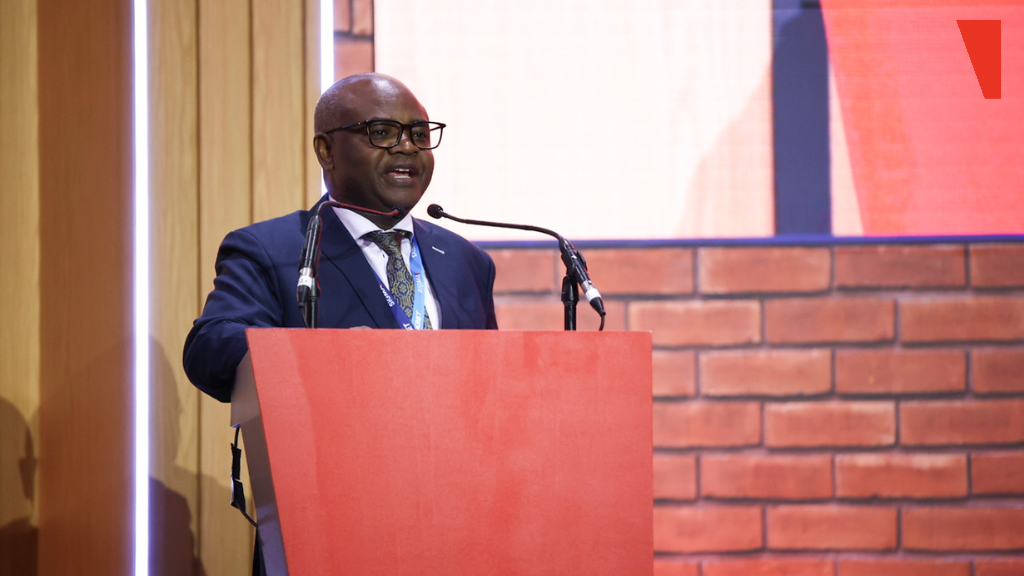
On the 4th of March 2026, the SiGMA Africa Summit in Cape Town presented a keynote address by Professor Kitila Alexander Mkumbo, Minister of State in the President’s Office – Planning and Investment of the United Republic of Tanzania. The session, titled Tanzania’s Dira 2050: Building a Long-Term National Vision, highlighted the country’s ambitious 25-year strategy to achieve affluent status while navigating the complexities of global uncertainty.
Professor Mkumbo began by acknowledging Cape Town’s rich cultural and historical significance, reflecting on Africa’s ongoing journey toward political, cultural, and economic liberation. He drew a parallel between Tanzania’s vision for 2050 and the city itself, noting the importance of building capable, accountable, and performance-driven institutions to manage a predominantly urban population, a challenge Tanzania anticipates by mid-century.
Unlocking Africa’s demographic potential
The demographic dividend of Africa was a key theme of the address made by Professor Mkumbo. He explained that the pervasively young, ambitious and entrepreneurial nature of Africa’s population presents an unparalleled opportunity for inclusive growth. “If we can strategically connect the demographic dividend with our plentiful natural resources, Africa will have the opportunity to undergo rapid and inclusive transformation,” he noted. He stated, however, that mere opportunity does not account for fulfilling its potential; it requires a well-articulated vision and action plan to establish a policy and investment climate to free up that potential.
The minister pointed out that Tanzania’s planning process (Dira 2050) has been established to provide continuity of planning despite changes in political leadership. He warned that without such long-term planning, governments are in danger of starting a new development plan each time an election is held, which would stall any progress that may have been made. Dira 2050 builds on the prior three national development blueprints created since independence.
A roadmap for prosperity
Dira 2050 aspires to elevate Tanzania by 2050 into an inclusive, self-sufficient, prosperous country through three main areas of focus: economic strength and competitiveness; the enhancement of human capability; and environmental resilience.
Professor Mkumbo stated that development is more than just an economic statistic; it includes all facets of prosperity. Digitalisation, research and development, and infrastructure are pivotal elements in driving this development forward, while ensuring there is inclusive participation from rural areas. The importance of investing in African-based scientific research and innovation to achieve sustainable long-term growth should not be underestimated.
Fostering national consensus
One of the distinct characteristics of Dira 2050 identified by Prof. Mkumbo is its ability to create a national consensus. Having defined a long-term destination, political conversations can evolve from discussing the goals of the nation to creating some form of action-oriented discussions on how to get there. By encouraging stability through shared consensus amongst different stakeholders, this approach creates clarity for all investors, policy-makers, and citizens alike while strengthening trust within the community.
Although not directly referring to gambling, Prof. Mkumbo also highlighted the rapid growth of Tanzania’s sports betting industry and the need for a solid and comprehensive regulatory agency. He stated that when combined with good governance, responsible gaming can create an environment of economic prosperity, especially by helping Tanzanian youth become engaged in productive economic activities through the gaming industry.
Tanzania as a model for African ambition
Professor Mkumbo concluded his keynote address by inviting delegates to examine Tanzania’s natural and cultural resources, including Mount Kilimanjaro, national parks, and Zanzibar’s paradise of spices, and use them as examples of Tanzania’s greater goal of balancing economic growth, protecting the environment, and preserving culture.
At SiGMA Africa 2026, Professor Mkumbo provided a sound framework for long-term planning; the use of evidence-based targets, inclusive methods, and established capacity will contribute to developing policies that will improve confidence in the investment environment and build public trust throughout Africa.
For more insights and updates on the SiGMA Africa 2026 Summit, visit the SiGMA website.


