


The real impact of AI decisioning on retention strategy

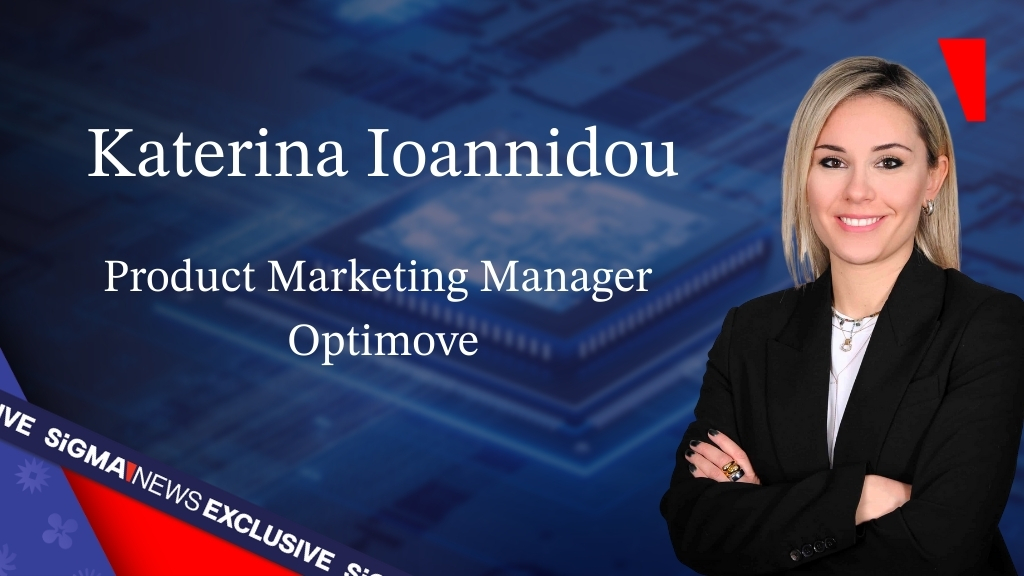
AI decisioning now shapes how operators manage retention strategy. It determines who receives what and when. In a SiGMA News exclusive, Katerina Ioannidou, Product Marketing Manager at Optimove, explains how a recent study with BwinUK, part of the Entain Group, revealed the true scale of campaign overlap and the pressure it places on CRM teams.
Modern operators run hundreds of journeys across sportsbooks and casinos. Each journey seeks the right moment with each player. Each carries its own tone and purpose. As the system expands, overlap becomes common. One player can qualify for several campaigns at once. That point creates conflict. It demands a choice. The wrong choice dulls the connection and weakens long-term trust.
BwinUK agreed to test this problem over a live 28-day period. The aim was simple. They wanted to see how often conflicts occur and how much value operators lose when campaigns collide. The results offer rare clarity. More than fourteen thousand players entered overlapping journeys during the study. These moments created over sixteen thousand conflict points. Each point required a clear decision. Most teams cannot handle this scale with rules and intuition alone.
Many operators still rely on fixed hierarchies. Others send several campaigns in quick succession. They hope one message lands. These approaches create noise. They drain strategy. They reduce impact when operators need it most. Some teams even send several campaigns within hours to avoid silence, which often creates message fatigue and weakens trust.
Campaign conflicts now shape retention outcomes. They influence deposits, loyalty, and risk. Operators feel this pressure every day. CRM complexity continues to rise, and instinct alone cannot guide teams through it.
This is why AI decisioning enters the discussion. It does not replace human judgment. It restores clarity when campaigns collide and gives teams room to focus on strategy and long-term engagement.
What the BwinUK study reveals about player behaviour
The BwinUK study gives operators a rare window into the real flow of retention. It shows why AI decisioning now plays a growing role in how operators manage complex journeys. The study tracked every instance where players entered more than one campaign within 28 days. The scale surprised experienced CRM teams. It showed how modern engagement creates pressure at key points in the player lifecycle. Previously, Optimove’s Alec Gehlot told SiGMA News that CRM in iGaming has shifted from generic “batch-and-blast” promotions to precision-driven strategies that meet players where they are, in real time, across multiple channels, and with a clear focus on loyalty.
The pattern was clear. Almost half of all conflicts involved active players. These players frequently move between products and touchpoints. They qualify for many journeys at once. Every journey competes for space. Every message competes for attention. Decisions at this stage influence deposits, loyalty, and future value.
Churned players created a similar volume of conflict. They made up more than 40 per cent of the total. CRM teams often try several approaches to bring these players back. These approaches create overlapping triggers. They push reactivation campaigns into the same window, increasing the risk of noise and repetition. They also increase the risk of missed moments, as no team can manage this pressure manually.
“Active players frequently move across many products and touchpoints, so they qualify for several journeys at once,” says Ioannidou. “Churned players create a similar issue because CRM teams deploy more competing offers in the hope of bringing them back.” Both create the same problem. Too many paths collide at the same time.
The study also highlights a deeper point. Campaign design has grown more advanced. Operators personalise more journeys. Yet few teams account for how these journeys clash in real time. This gap now shapes retention results. It forces operators to choose between well-built campaigns that work in isolation but fail when combined with others.
This evidence sets the stage for the next question. How can operators maintain order in this level of conflict without slowing down strategy or compromising player experience?
Where AI decisioning fits into modern crm
The scale of conflict in the BwinUK study raises an obvious question. How can operators maintain order in this level of complexity without slowing down strategy or weakening player care? This is where AI decisioning begins to shape the discussion. It provides CRM teams with a way to manage contact volume without compromising control over strategy or tone.
The study set out with a plain challenge. When several campaigns compete for the same player, which one should speak? The model worked with real behaviour and real deposits, not clean lab tests. It tried to cut through the guesswork that often tugs CRM teams in opposite directions. Its open and straightforward method helped operators watch each campaign show its true colours.
The model works through direct comparison. It assigns a small group of players to each competing campaign and measures the impact on deposits over a short period of time. It identifies the stronger option. The model continues to learn from each test and adjusts future decisions as performance shifts. It then applies that option to the rest of the eligible audience. This removes guesswork. It offers a clean view of uplift in each journey.
“Manual prioritisation often relies on static rules that ignore real-time player behaviour,” says Ioannidou. “This often leads to over-messaging or missed opportunities when several offers compete for the same player.”
The study reached 84 percent of the theoretical best-case uplift. This figure reflects a perfect hindsight model and offers a guide rather than a prediction. It shows how close operators can get to optimal outcomes when decisions rely on observed performance rather than fixed rules.
This approach does not replace human judgment. It strengthens it. “Human marketers still add the most value in high-level strategy and creative development,” Ioannidou says. “AI supports the operational decisions and resolves conflicts when campaigns overlap.”
Marketers decide what to say. AI decisioning decides when and to whom. Together, they provide stronger and clearer engagement.
The compliance equation and the limits of automation
AI decisioning solves a clear operational problem, yet it creates new demands for oversight. These decisions influence player journeys. They influence timing, tone, and contact pressure. They shape how players feel during engagement. This is why compliance must stay present as operators adopt new tools and new methods.
The wider UK debate offers a clear direction. The Centre for Data Ethics and Innovation calls for full transparency in automated systems. It asks for clean logs and visibility into the performance comparisons behind each decision. The Digital Regulation Cooperation Forum urges close scrutiny when algorithms influence personal outcomes. These principles sit within gambling and shape the groundwork for safe practice.
Operators cannot treat automation as a sealed engine. They must see how each choice forms and must understand why a model favours one campaign over another. They must know which signals drive that decision and also monitor how timing and contact intensity affect at-risk groups. Ioannidou recognises the human side of this shift.
“The biggest tension is psychological; trading manual control for AI decisioning. Operators may initially worry about losing visibility or trusting a black box.”
The BwinUK study offers one positive sign. It records each comparison and each uplift result and shows which campaigns compete and which perform better. It also gives compliance teams visibility into the campaign performance comparisons behind each decision, not only the outcome. “The system logs performance results and control group comparisons to give compliance teams full visibility,” says Ioannidou.
The model selects from existing, pre-approved and compliant campaigns. It never creates, modifies, or bypasses existing rules. Yet this solves only part of the challenge. Operators cannot rely solely on uplift. They must check how these decisions affect vulnerable players and monitor whether contact rises at sensitive moments. They must keep manual control over suppression rules and safe interaction steps. Evidence must guide every decision, not belief or speed.
The message is clear. AI decisioning brings order to conflict. It does not remove responsibility. Operators must match automation with oversight and performance with the duty of care.
What comes next for AI decisioning in retention
The BwinUK study illustrates the complexity of retention. It also shows how vital clarity is for operators. Conflicts now shape the rhythm of CRM. They influence how players feel and how teams act. They also reveal what operators lose when decisions rely on instinct alone. This is why AI decisioning now takes centre stage in the conversation. This wider shift mirrors earlier debates about design responsibility, explored in a SiGMA News report on a recent Gaming in Europe webinar, held as part of the European Gaming and Betting Association’s (EGBA) European Safer Gambling Week, on how gamification tools can support safer play.
The industry does not need more automation. It needs clearer judgment and tools that help teams see what works and what fails. It also needs space for strategy and space for care. Automated models help with pressure and timing. They do not replace the voice that guides tone or the hand that sets limits.
The next step is simple. Operators will test these models over longer periods and across more journeys, and judge success by sustained deposit uplift, lifetime value growth, and fewer unresolved campaign conflicts. They will examine how contact patterns change and how decisions affect vulnerable players. They will ask if each choice supports both the duty of care and revenue and will demand evidence, not comfort. Effective adoption needs a phased path. Ioannidou endorses this view.
“Start with monitored pilot campaigns and clear KPIs. As confidence builds, teams see that AI does not replace marketers. It scales their impact.”
Retention now sits at a crossroads. Strategy grows in scale. Journeys increase in number. Players move with more speed between products. Pressure grows with each cycle. AI decisioning helps teams bring order to this movement. Yet it works best when it sits beside strong human insight.
The tools can guide timing. The teams must guide meaning. Clarity comes when both work together. That is the direction that now takes shape.
The fuse is lit. Dubai’s calling, and it’s going full throttle on frontier tech. AIBC Eurasia, 09–11 Feb 2026, brings 14,500 leaders to the heart of MENA’s tech revolution. Here, sharp minds forge futures. Don’t miss it.


