


Turkish state banks cut direct payments to betting sites

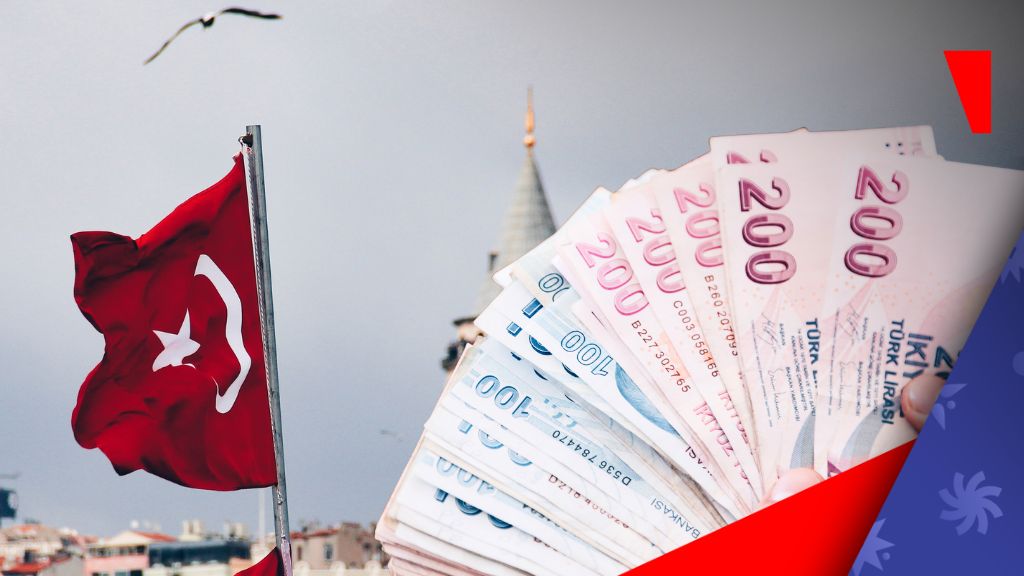
Turkey’s public banking sector has begun rolling out wide-ranging restrictions on gambling-related financial activity, following renewed warnings from President Recep Tayyip Erdoğan about the social and economic risks posed by digital betting.
Speaking recently on the spread of online gambling, Erdoğan said that smartphones had effectively turned “every pocket into a casino”, arguing that easy access to betting platforms was undermining family structures and social stability. His remarks appear to have accelerated coordination across state institutions, with public banks now taking a more interventionist role.
Turkey’s three largest state-owned lenders – Ziraat Bankası, VakıfBank and Halkbank – have removed “Games of Chance” sections from their mobile and online banking platforms. These tools had previously allowed customers to transfer funds directly to betting and lottery websites in a few clicks, often without clear limits.
Part of the action plan
The move is a part of the government’s “Action Plan to Combat Illegal Betting, Games of Chance, and Gambling in Digital Environments”. One of the plan’s seven priority areas focuses on prevention within the financial system.
According to local media reports, officials believe reducing convenience is essential to curbing habitual gambling. By making payments more cumbersome, authorities hope to slow both illegal betting activity and participation in legal gambling platforms.
The changes go beyond the removal of payment shortcuts. Public banks have introduced new monitoring criteria aimed at identifying repeated gambling-related transactions. Customers who frequently transfer money to betting websites may now be classified as having a gambling dependency risk.
This classification can have direct financial consequences. Banking sources say individuals flagged under the new framework could see their credit scores reduced, lowering their chances of securing consumer loans, credit cards or other forms of financing. In some cases, banks may apply a “reasonable suspicion” principle, assuming that loans issued to customers with gambling risk profiles could be used for betting purposes.
Such customers may be placed on internal watchlists, further limiting access to financial products. The approach represents a notable expansion of credit assessment beyond traditional measures such as income, debt levels and repayment history, incorporating behavioural indicators into lending decisions.
Private banks likely to follow?
So far, private banks are doing things differently. Their customers can still send money to betting sites, usually paying a fee of about 15.75 Turkish lira (about $0.48) per transfer. Many people have noticed this difference and wonder why gambling payments are still easy and cheap, while regular transfers often cost more.
Data published by the Green Crescent (Yeşilay) and its counselling network, YEDAM, shows the true scale of gambling-related harm in Turkey. The organisations estimate that gambling addiction imposes an annual economic cost of approximately $40 billion. Their findings show that more than 86 percent of individuals seeking support have completed at least a high-school education, while the average age of entry into gambling activity is just over 21 years. Sports betting is identified as the most common initial point of engagement.
Furthermore, Turkey’s main opposition party, the Republican People’s Party (CHP), is pushing for reform of gambling laws. In a recent action plan, the party proposed unifying fragmented regulations into a single law, creating a dedicated supervisory authority, and strengthening financial oversight, including expanded powers for the Financial Crimes Investigation Board. All these changes show that Turkey is making its rules stricter, with financial controls becoming a key part of the fight against online gambling.
Rome wasn’t built in a day, but your next deal could be. From 02 to 05 November 2026, the city becomes the heartbeat of global iGaming when SiGMA World opens its gates. With 30,000 delegates, 1,200+ sponsors and exhibitors, and 550+ expert speakers, history is calling at the mother of all conferences.


