


Maltese model matters
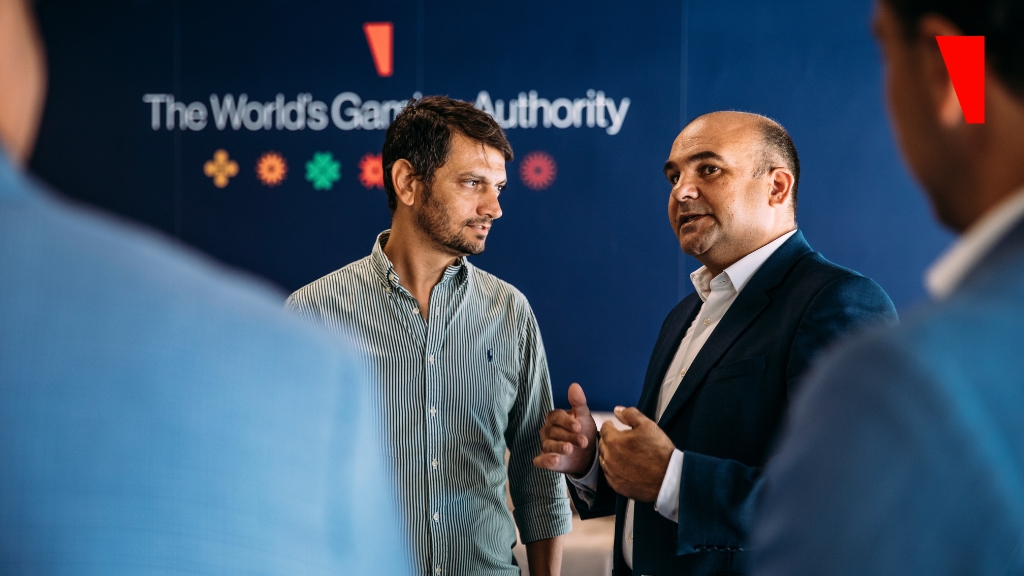
MEP Peter Agius’ visit to the SiGMA Group office on July 31st reminded delegates that Malta’s gaming success “is not by coincidence, but by providing a strong regulatory environment, backed by a highly adaptable workforce.” He argued that the island’s reputation rests on strict player-protection rules and rigorous anti-money-laundering checks. “Although we are speaking about games of chance, we need an environment grounded in a very strong moral basis.” His view positions Malta as a reference point for European jurisdictions seeking balanced oversight that does not stifle innovation.
Moving from national pride to EU realities, Agius described the current patchwork of state-by-state laws as “ironic and frustrating,” given the Union’s founding principle of free movement of services. He noted that Treaty provisions allow governments to restrict gambling on grounds of public order, yet cautioned that such limits must remain “proportionate and nondiscriminatory.” In his assessment, several member states are interpreting these clauses in a manner that creates barriers, undercutting legitimate operators while leaving consumers exposed.
Commission called to act
Agius’ most pointed remarks targeted Brussels itself. “The Commission, being the guardian of the Treaty, has a responsibility to see that national rules are indeed proportionate,” he said. He criticised what he termed the executive’s “abstention” from enforcing single-market rules in gaming, warning that a lack of oversight risks a “law of the jungle” in cross-border cases. By invoking the Commission’s duty, the Maltese MEP framed regulatory harmonisation as not only desirable but legally overdue.
When asked whether a continent-wide licence is now ruled out, Agius was pragmatic: “Any European licensing regime is not perceived in the current circumstances.” He pointed to divergent national definitions of public order and morality as structural obstacles. Yet he still sees scope for converging standards on age verification, advertising, and anti-money-laundering. Selective alignment, he argued, could ease compliance for reputable firms while advancing social-responsibility goals across borders.

Aligning industry and integrity
For Agius, Malta’s commercial interests and Europe’s consumer-protection agenda are not at odds. “No hub survives without a solid jurisdiction on player addiction and the protection of minors online.” He cited Malta’s safeguards as evidence that high-growth markets can coexist with robust checks. Looking ahead, he urged policymakers to “give all the stimuli for the industry to keep innovating” while insisting on minimum enforcement standards at the EU level. His message to both regulators and operators was clear: sustainable growth depends on rules that are consistent, credible, and firmly applied.


