


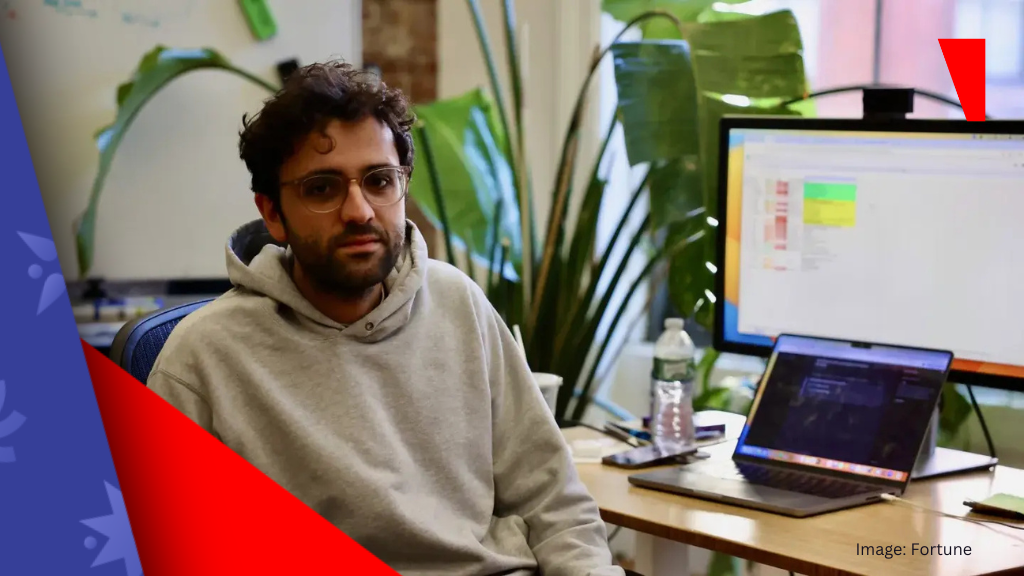
Kalshi CEO Tarek Mansour is using the current insider trading controversy to draw a clear line between Kalshi’s regulated model and offshore prediction markets, while openly backing a new US bill that would restrict government insiders from trading on these platforms
In a recent LinkedIn post, he stated that “Recent reporting has been conflating regulated prediction markets with unregulated, offshore prediction markets. What non-American, unregulated platforms do has no relationship to what regulated, American platforms do.”
Mansour’s core message on insider trading
Mansour insists that insider trading is already banned on Kalshi and has been since launch, which he frames as a basic, non-negotiable feature of a serious financial exchange. He stresses that this position is not new or reactive, but anchored in a long-running “regulatory first” approach that delayed Kalshi’s launch until it had federal approval in place.
He also leans heavily on the fact that Kalshi is registered with the US Commodity Futures Trading Commission, which he presents as a dividing line between rule-bound exchanges and lightly policed offshore venues. For Mansour, the Maduro trade controversy has exposed how quickly commentators lump all prediction markets together, ignoring the practical and legal differences between regulated and unregulated platforms.
Regulated vs offshore platforms
Mansour is correcting what he sees as a category error in media and political debate. He objects to coverage that treats Kalshi and offshore crypto-style markets as interchangeable, and explicitly states that the behaviour of non-American, unregulated sites should not be used to judge what happens on a CFTC-supervised exchange.
The Polymarket trade linked to the capture of Nicolás Maduro, where one account reportedly profited by more than 400,000 dollars, is the backdrop for his defence. That episode has driven allegations that prediction markets reward insiders with delicate operational knowledge, but by focusing on Kalshi’s rulebook, Mansour is trying to manage that perception problem.
Support for the Torres bill
Mansour is unusually explicit in his support for Representative Ritchie Torres’ forthcoming Public Integrity in Financial Prediction Markets Act of 2026, which would ban federal officials and other senior government figures from using non-public information on prediction markets. He presents Kalshi’s backing as straightforward as, in his words, the platform already enforces an insider trading ban modelled on stock exchange rules, where trading on non-public information is treated as a financial crime.
At the same time, he is careful to point out an important limitation of the proposal as drafted. The bill is framed around US jurisdiction and regulated entities, which means American compliant platforms would be hit hardest while offshore venues, where most of the alleged abuses are said to occur, would remain largely untouched.
Ethics, optics, and industry positioning
There is obvious reputational motivation in Mansour’s decision to speak out, but he also pitches it as an ethical position shaped from day one of Kalshi’s development. By stressing that the company chose a slower, regulation-heavy path to market, he is trying to reassure both policymakers and sceptical observers that prediction markets can be run with the same governance expectations as traditional exchanges.
In effect, his message to Washington is that insider trading is a problem of bad actors and weak oversight, not an inherent flaw in the prediction market model. By welcoming tougher rules for government insiders, Mansour is betting that agreement with lawmakers now will give regulated prediction markets more political space to grow in the long term, even while the industry keeps on grappling with headline-grabbing offshore scandals.
Join the world’s biggest iGaming community with SiGMA’s Top 10 News countdown. Subscribe HERE for weekly updates, insider insights, and exclusive subscriber-only offers.


