


New Zealand plans July start for online casino licence applications

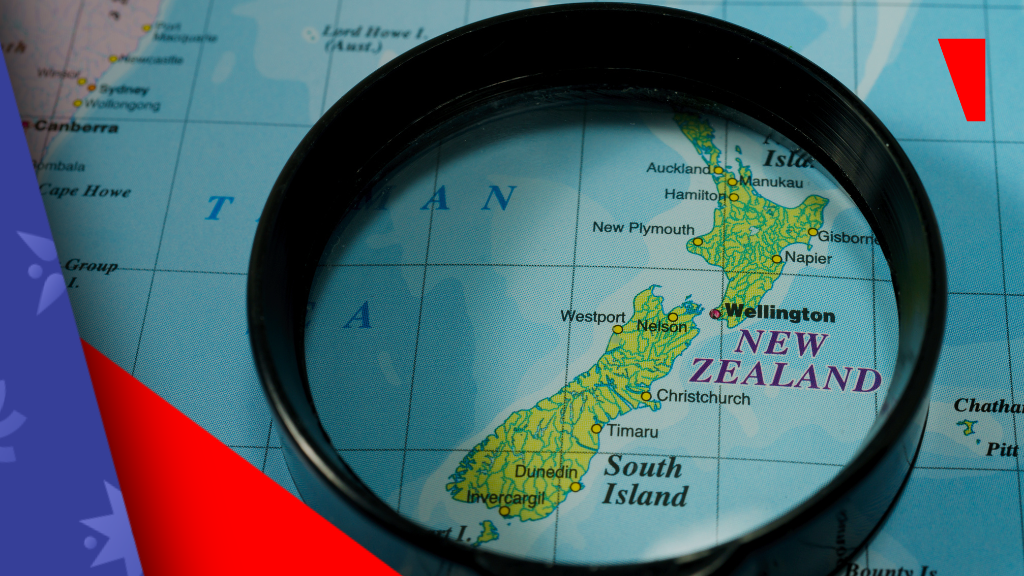
New Zealand is edging closer to regulating online casino gambling, with the government planning to begin its licensing process in July 2026.
The Department of Internal Affairs (DIA), which is responsible for gambling regulation in the country, has published an outline of how the process will unfold once the Online Casino Gambling Bill becomes law.
That legislation passed its first reading in parliament in July 2025 and still needs to move through the remaining parliamentary stages before it can be enacted.
If approved, the bill will establish a regulated online casino market for the first time. Until now, New Zealand players have been able to access offshore websites but domestic operators have not been permitted to run online casinos.
Officials say the reform is intended to bring the activity under local oversight and introduce stronger protections for players. Government estimates suggest that more than NZ$750 million is spent each year by New Zealanders on offshore online casinos, money that currently leaves the country without contributing to local tax or community funding.
The government believes a licensing framework will help channel some of that activity into a regulated environment where operators are required to follow local rules and contribute to public funds.
The three steps to securing a licence
Under the plan outlined by the DIA, the licensing process will take place in three stages and will allow a maximum of 15 operators to enter the market.
The first stage will invite companies to submit expressions of interest once the legislation comes into force. This initial window is expected to remain open for around one to two months and will allow potential applicants to signal their intention to apply.
After that stage closes, the government intends to run an auction for the available licences. Officials expect the bidding process to take up to two months and will determine which companies move forward.
Those who secure a licence slot will then be required to submit full applications. Regulators will assess areas such as financial stability, consumer protection measures and operational integrity before making final approvals.
The review stage could take between four and six months, depending on the complexity of the applications and the number of companies involved.
If successful, operators will receive licences valid for up to three years, with the possibility of renewal if they continue to meet regulatory requirements.
Deadline set for unlicensed operators
The DIA has also made clear that companies wishing to operate in New Zealand will need to apply before a strict deadline.
Operators have until 1 December 2026 to submit an application if they want to continue serving New Zealand customers once the regulatory system is in place. Companies that continue to target the market without authorisation could face enforcement action, including fines of up to NZ$5 million and orders to withdraw from the market.
Community funding and industry debate
The proposed licensing framework has not been without controversy. During consultation on the bill, several sports organisations warned that changes to the gambling system could affect funding streams that support community sport.
In response, the government has proposed that licensed online casino operators contribute around 4 percent of gross gambling revenue to community causes. Officials estimate this could return between NZ$10 million and NZ$20 million in the first year of the regulated market.
Alongside the financial arrangements, the legislation includes safeguards aimed at reducing gambling harm. These include age verification requirements and restrictions on advertising that could appeal to children.
Data from the New Zealand Gambling Survey 2023/24 shows that offshore online gambling is particularly common among younger men and tends to be higher in areas facing social deprivation. Policymakers say those findings helped shape the harm-prevention measures included in the bill.
A long-planned shift for the market
New Zealand has traditionally taken a cautious approach to online casino gambling. Local operators have not been allowed to offer online casino products, yet players have still been able to access offshore websites.
The proposed licensing system is an attempt to deal with that reality. Rather than ignoring offshore activity, the government wants to place a limited number of operators under domestic regulation and set clear rules for how they can operate.
The bill still has several parliamentary stages to clear, so the timeline is not final. If it progresses as expected, the licensing process would begin in July 2026 and the first operators could be approved the following year.
Join the world’s biggest iGaming community with SiGMA’s Top 10 News countdown. Subscribe HERE for weekly updates, insider insights, and exclusive subscriber-only offers.


