


Turkey freezes record $115M in illegal betting payments

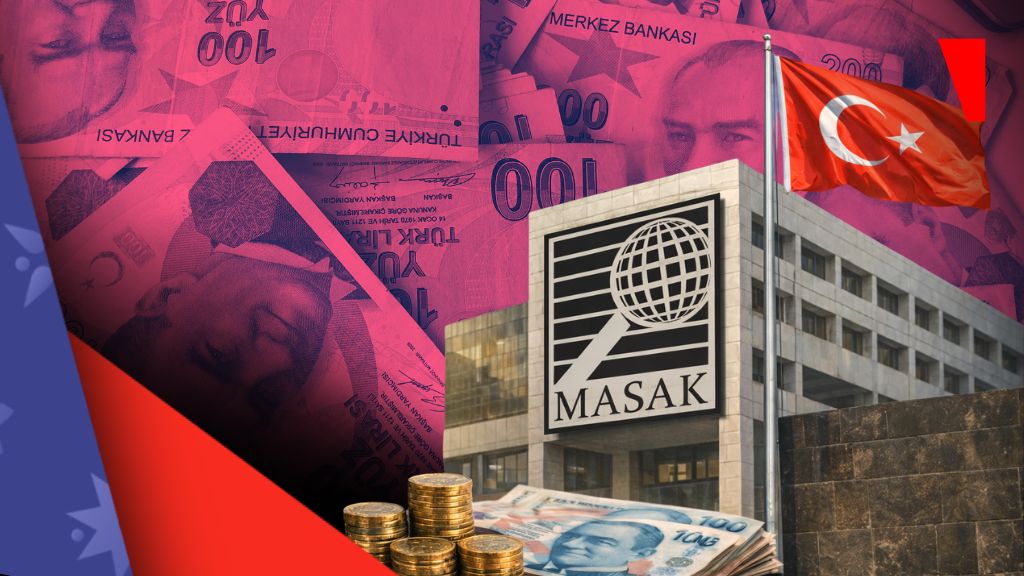
Turkish authorities have frozen Turkish lira 5 billion (approx. $115 million) in suspected illicit betting funds last year, constituting one of the country’s largest seizures to date. Officials say the figure is significant, but the larger shift in enforcement strategy may prove even more consequential.
Rather than targeting solely shutting down betting websites or arresting individual operators, regulators have begun targeting the financial architecture that sustains the industry.
Statistics from the Financial Crimes Investigation Board of Turkey (MASAK) revealed that illegal gambling groups had worked their way into legitimate banking channels. Reportedly, deposits were made in such a way that they resembled regular online payments, routed through networks in a manner that raised no immediate red flags.
Tracking small sums of money
For the banks, most of these transactions looked completely normal. Splitting large sums into streams of smaller payments made the numbers blend in even further. This led to MASAK shifting its approach; rather than going after gambling platforms directly, investigators started following the money itself. Tracing payment routes proved far more effective, eventually exposing networks that had been hiding in plain sight behind ordinary-looking bank activity.
After that, the rules in Turkey were amended again. Virtual payment intermediaries faced heavier scrutiny, multiple merchant accounts were flagged for investigation, and reporting obligations were expanded to strip back some of the anonymity baked into digital transactions.

Some operators moved into crypto in a bid to escape regulatory action. However, Blockchain analysis tools traced wallet addresses straight back to the networks investigators were already building cases against. Several crypto wallets were frozen, indicating that authorities now view digital assets as traceable financial instruments rather than unregulated alternatives.
The Central Bank of the Republic of Türkiye reviewed how payment and electronic money institutions follow the rules. Six companies lost their operating licences, which regulators call a corporate death sentence. Now, officials see compliance failures as risks to the whole system, not just minor mistakes.
Money mules erupt as platforms delink
As financial scrutiny increased, illegal networks reportedly began recruiting “money mules” – ordinary citizens offered commissions to allow their bank accounts to be used for fund transfers. Account holders risk prosecution even if they claim limited knowledge of the activity.
The Central Bank of the Republic of Turkey reviewed compliance across payment and electronic money institutions, revoking the operating licences of six firms. For those companies, the outcome is final – a revoked licence leaves no path to continued operation. The more significant development is how regulators are now characterising these failures. Compliance shortcomings are no longer handled as administrative matters. Officials are treating them as systemic risks.
State-owned banks Ziraat Bankası, VakıfBank, and Halkbank have removed “Games of Chance” payment shortcuts from their digital platforms, making transfers to betting sites less convenient. Officials believe that reducing payment convenience may help curb habitual behaviour. These measures form part of the government’s Action Plan to Combat Illegal Betting, Games of Chance, and Gambling in Digital Environments. One of its central pillars focuses on prevention within the financial system.
Taken together, analysts say this approach marks a strategic shift. Instead of responding to individual offences, authorities are seeking to control the financial plumbing that enables illegal gambling to operate at scale.
Asia’s undisputed regional heavyweight lands in Manila, 01–03 June 2026. Backed by PAGCOR and powered by 16,000 delegates, SiGMA Asia delivers two levels of game-shaping influence. If you’re serious about the region, this is the room for you.


