


What India’s gaming sector expects from Union Budget 2026

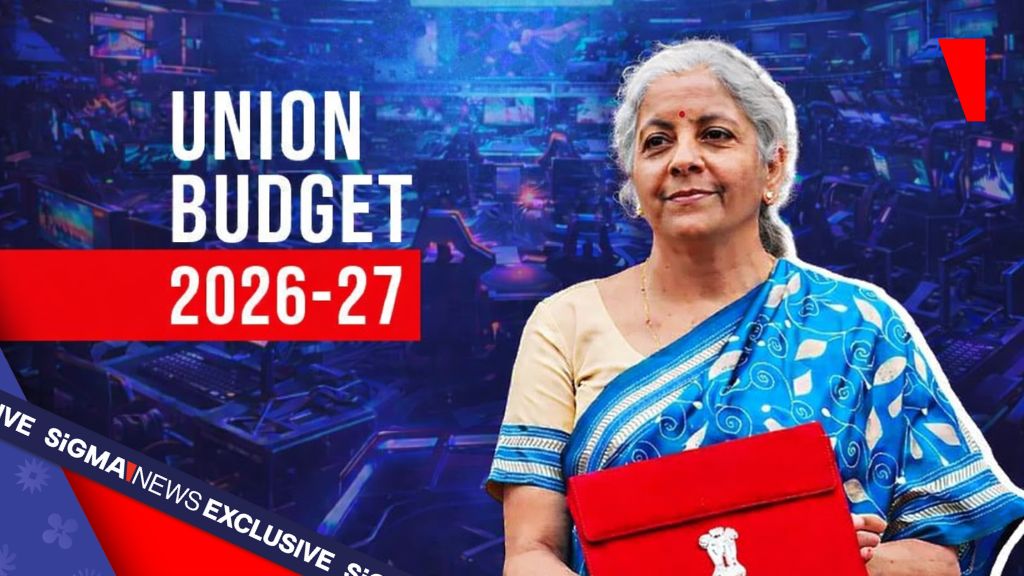
The gaming and esports industries in India are at a pivotal moment. Once primarily viewed as a type of digital entertainment, it has quickly developed into a structured, policy-aware sector with expanding global, cultural, and economic significance. Gaming and esports are already deeply ingrained in India’s digital and creative economy story, driven by advancements in regulations, growing grassroots usage, and growing foreign representation.
As India’s Finance Minister Nirmala Sitharaman (as depicted in featured image) prepares to present the Union Budget 2026–27 on 1 February, expectations within the gaming and esports industry are rising. Stakeholders are looking beyond headline announcements to practical policy enablers that can help the ecosystem scale sustainably.
Gaming as a cultural and economic force
The sector’s growing importance was highlighted recently when India’s Prime Minister Narendra Modi addressed the concluding session of the Viksit Bharat Young Leaders Dialogue 2026 in Delhi. Speaking about gaming’s global potential, he emphasised how Indian culture and mythology could find powerful expression through interactive entertainment. His remarks reflect a broader shift in thinking: gaming is no longer just play, but a platform for storytelling, technology, and soft power on a global scale.
PM Modi stated, “In one presentation, there was a mention of exporting our culture. Our stories are Ramayan, Mahabharat, and many more. Can we take these to the world of gaming? Gaming is a major market, a major economy in the world. We can bring new games based on our mythologies. Lord Hanuman can run the entire world’s gaming. Our culture will be exported, and technology will also be used.”
Industry awaits execution-focused support
In 2025, India’s gaming and esports ecosystem has seen sustained government attention. The introduction of the Promotion and Regulation of Online Gaming Act, 2025 (PROGA) has provided a formal regulatory framework, while esports has gained increased visibility within national sporting conversations. As the Union Budget 2026 approaches, the industry is looking beyond recognition towards meaningful execution. To promote original Intellectual Property (IP) creation, strengthen esports infrastructure, and establish India as a global hub for gaming and esports, stakeholders are awaiting clear governmental direction, equitable taxation, targeted funding, and long-term incentives.
Several state governments have taken proactive steps by integrating esports into schools, colleges, and youth programmes. State-level tournaments, institutional leagues, and talent development initiatives are becoming more common, signalling a fundamental change in how competitive gaming is perceived across the country.
Executing India’s gaming potential
Akshat Rathee, Co-founder and Managing Director of NODWIN Gaming, believes the sector is ready for execution-driven policy support. Outlining his expectations from the upcoming Union Budget, he said, “I’m hopeful that this year’s Union Budget acknowledges gaming and esports as emerging pillars of India’s digital and creative economy. Over the last few years, the sector has moved from the fringes to the mainstream, and what it now needs is execution-focused policy support.”
Rathee emphasised the need for fair and differentiated taxation for esports on par with traditional sports, improved access to banking and financial services, and targeted funding under the Animation, Visual Effects, Gaming, and Comics (AVGC) framework to support Indian game development and original IP creation.
“With the right incentives for exports, infrastructure, and state-level esports events, India has a real opportunity to strengthen its global soft power through gaming. The focus doesn’t need to be on large announcements, but on practical enablers that help the ecosystem scale sustainably,” he added.
Building foundations of Indian esports
For Animesh Agarwal, Co-founder and CEO of S8UL Esports, the conversation has clearly evolved. Reflecting on recent regulatory developments and budget expectations, he noted, “With the Promotion and Regulation of Online Gaming Act now in place, the conversation around gaming and esports has shifted from legitimacy to capacity building.”
Agarwal highlighted the importance of financial support for infrastructure, training, grassroots competitions, and strengthening India’s esports footprint internationally. He also stressed the role of related industries such as the creator economy, digital infrastructure, sports, education, skill development, and start-ups.
“Greater clarity and budget allocation at the central level, along with a dedicated funding focus for gaming within the AVGC framework, can further enable the creation of globally scalable Indian IPs,” he said.
Shifting India’s gaming focus to creation
Sagar Nair, Head of Incubation at LVL Zero Incubator, believes the next phase of growth must focus on building, not just playing. Sharing his expectations from the Budget, he explained, “As India’s gaming and esports ecosystem matures, this Budget presents an opportunity to shift the conversation from consumption to creation.”
Nair stressed the need for regulatory and taxation clarity across mobile, personal computer, and console gaming to unlock long-term capital and attract global publishing partnerships. He also called for clear budgetary commitment towards the Animation, Visual Effects, Gaming, Comics, and Extended Reality (AVGC-XR) mission, with a focus on original IP creation, advanced skills development, and studio incubation.
“These measures can help India move beyond scale alone and build a sustainable, creator-led gaming economy with global relevance,” he added.
Building a competitive esports ecosystem
Vishal Parekh, Chief Operating Officer of CyberPowerPC India, described the current phase as a turning point for the industry. Commenting on expectations from the upcoming Budget, he said, “Indian gaming and esports are at a defining moment. PROGA 2025 marked the start of a more structured and legitimised chapter for the industry, recognising its growing cultural and economic relevance.”
Parekh highlighted key expectations from the upcoming Budget, including aligning esports prize money taxation with traditional sports, strengthening esports’ role within the Khelo India framework, and encouraging participation across schools, colleges, and states.
“We are hopeful the upcoming budget will support these priorities and help India build a globally competitive gaming and esports ecosystem,” he said.
Stay ahead of iGaming’s biggest stories with SiGMA’s Top 10 News countdown. The world’s biggest iGaming community brings you weekly insights and subscriber-only offers. Join HERE today.


