


African regulators unite at GRAF forum during SiGMA Africa 2026

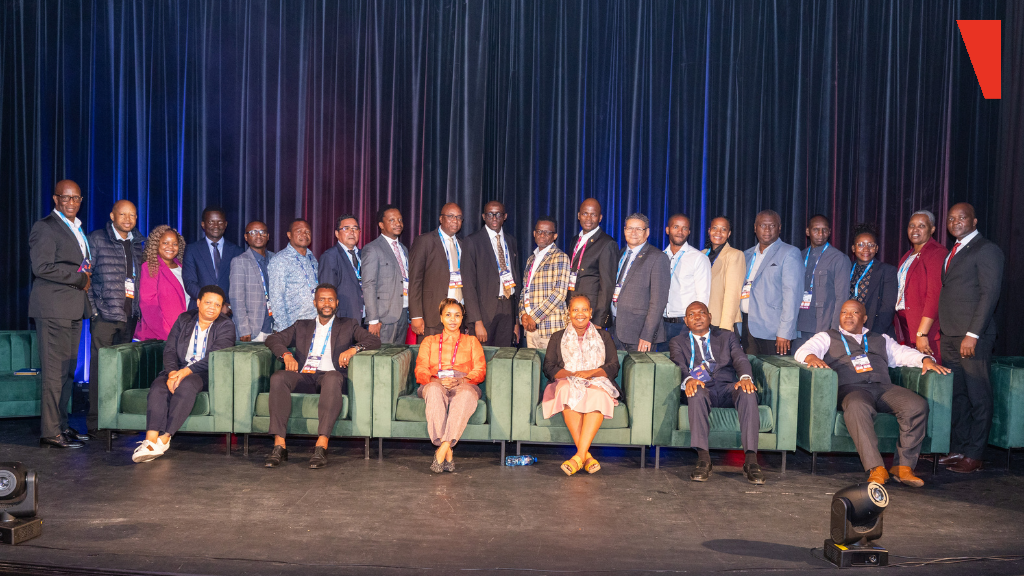
On 5 March 2026, regulators, policymakers and industry leaders gathered at the Roxy Revue inside the GrandWest Casino and Entertainment World for the Gaming Regulators Africa Forum (GRAF). The forum formed part of the wider SiGMA Africa Summit 2026 and was powered by SiGMA Group and 1xBet.
The gathering allowed regulators from all around the continent to address their common regulatory problems, examine areas where improvements could be made in creating consistency across African jurisdictions, and promote enhanced cooperation between them.
Setting the stage
Pearl Zwane introduced the forum and gave a general overview of what it would cover. Her remarks stressed the need for regulatory dialogue in an evolving market that is continuing to grow but is still fragmented by jurisdiction.
Zwane stated that Forums such as GRAF help facilitate collaborative discussions between regulators, operators and industry stakeholders through their ability to provide a place for regulators to exchange information regarding issues encountered, emerging risks and ways to create better governance frameworks.

Country presentations from across Africa
Among the first things that happened at the forum were speakers providing information about the current state of regulatory policy development and priorities on the African continent from various jurisdictions within Africa.
Mabutho Zwane gave a brief introduction to GRAF’s mission and what it is doing to help facilitate continued collaboration between regulators. He explained that although every country has its own regulatory environment, it is very helpful for countries to exchange information and develop some common standards.
Following Mabutho’s presentation, there was a series of presentations made by different representatives of countries in Africa outlining some of the opportunities and challenges they are facing in their respective jurisdictions.
For example, Esther Argwings spoke about developing new regulations for digital betting and the need to enhance enforcement capabilities in the digital betting environment in Kenya.
Siyabonga Mngoma provided an overview of the transformation initiatives being undertaken by the KwaZulu-Natal Economic Regulator Authority, emphasising the need for economic development and inclusivity in the industry.
Denis Mudene Ngarbirano outlined Uganda’s regulatory framework, including the licensing framework, to support the growth of the gaming industry while maintaining the integrity of the market.
Heathcliff Farrugia also spoke to the attendees at the session, from Malta, and noted that there is an increasing amount of collaboration between Malta and African countries, and that there is a strong benefit to international cooperation in terms of assisting in the development of appropriate regulatory frameworks on the African continent.
In summary, the presentations indicated that Africa is currently experiencing significant growth in the gaming industry, but that there are also many different regulations across the continent.


Survey insights highlight shared concerns
Further context was provided through a presentation by Zoe Siwa, who presented findings from a regulatory survey conducted among African jurisdictions.
The data revealed several common priorities across regulators. These included strengthening responsible gaming measures, improving enforcement tools against illegal operators, and exploring ways to harmonise regulatory standards without undermining national sovereignty.
The survey findings served as a foundation for the forum’s panel discussions, offering evidence-based insights into the regulatory environment across Africa.

Harmonised licensing under discussion
The first panel of the day examined the topic “Charting a Path to Harmonised Licensing in Africa – What is realistically achievable?”
Moderated by Themba Ngobese, the panel brought together regulatory and legal experts to debate whether licensing frameworks across the continent could become more aligned.
Panellists included Portia Baloyi, Jane Stretch, Musa Mngadi, Khalid Ali, Garron Whitesman, and Denis Mudene Ngabirano.
The discussion explored the feasibility of regional licensing standards and the challenges posed by differing legal systems and market structures. While full harmonisation may be difficult in the short term, panellists agreed that increased cooperation, shared intelligence, and aligned regulatory principles could deliver meaningful progress.

Responsible gaming takes centre stage
The second panel shifted the focus to consumer protection with the session “Responsible Gaming in Practice – Addressing Implementation Gaps and Shared Challenges”.
Moderated by Justice Ditlhong, the discussion brought together experts working at the frontline of responsible gaming initiatives.
Speakers included Esther Argwings, James Mbalwe, Ladipo Abiose Akolde, Fisayo Oke, and Sibongile Simelane-Quntana.
The panel examined how responsible gaming frameworks are implemented across different jurisdictions and identified gaps that still need to be addressed. Key themes included player education, effective intervention mechanisms, and the importance of collaboration between regulators, operators and advocacy groups.
Participants emphasised that responsible gaming must remain a central pillar of regulatory policy as Africa’s gaming market continues to scale.

Next steps for regulatory collaboration
The forum concluded with key takeaways delivered by Vusi Mtsweni, who outlined potential next steps for strengthening cooperation among African regulators. His remarks focused on the importance of continued dialogue, shared research and cross-border collaboration to ensure regulatory frameworks remain effective in an evolving industry landscape.

Closing remarks were once again delivered by Pearl Zwane, who thanked participants for their contributions and encouraged continued engagement through future GRAF initiatives.
Delegates then moved to a networking lunch at The Hussar Grill, providing an opportunity for regulators and industry stakeholders to continue discussions in a more informal setting.
The GRAF forum demonstrated the growing importance of regulatory cooperation across Africa’s gaming sector. As the industry expands and technology continues to reshape the landscape, collaborative forums such as this are expected to play an increasingly vital role in shaping the future of gaming governance across the continent.
For more updates and insights from the SiGMA Africa 2026 Summit, visit the SiGMA website.


