


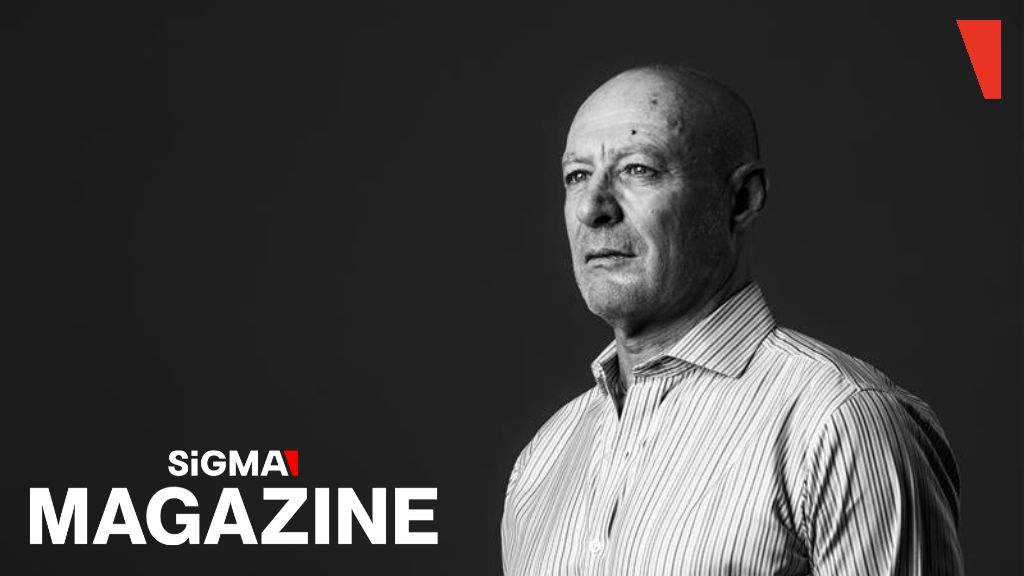
Quirino Mancini from WH Partners sits down with Matthew Busuttil and explains why Italy remains a leading European gaming market, how regulation is shaping industry dynamics, and what Rome’s emergence as a hub means for operators and international events.
Italy’s gaming landscape
Italy proudly stands as one of Europe’s most regulated, developed, and exclusive gaming markets. This exclusivity, shaped for almost two decades by the country’s regulatory framework, has created a fiercely competitive environment and a magnet for international operators seeking credibility in a first-tier jurisdiction. As industry professionals, investors, regulatory experts, and stakeholders, you are part of this elite group.
“Italy is one of the most developed, regulated, and crowded European gaming markets,” Mancini explains. “All the big players are licensed in Italy, and despite demanding conditions, the appetite for a licence remains significant.”
A market designed for the big players
The recent licensing round highlighted Italy’s high entry barriers, which have significantly influenced market dynamics. With a €7 million licensing fee and increasingly demanding compliance obligations, the system has intentionally filtered the market towards stronger, well-capitalised operators. This has led to a market where only the big players can continue or start operations, as evidenced by the 46 licences awarded by the Italian gaming regulatory authority (namely Agenzia delle Dogane e Monopoli or “AdM” in short) on 17 September 2025, with major groups having applied for multiple licences tied to different brands.
“The goal was to raise good money for the state coffers while creating a more selective and strictly regulated environment that would facilitate AdM’s monitoring and supervisory job..
Smaller operators, who previously held licences granted in 2018, have either exited or been absorbed by larger competitors.
For industry giants, however, the price of entry is not prohibitive. “You can’t afford not to be in Italy,” he stresses. “Although it is crowded and compliance-heavy, the Italian market is a must for any global operator with IPO ambitions or a focus on regulated markets.”
Compliance as a competitive test
Italy’s demanding framework extends beyond financial investment. Maintaining a licence requires teams dedicated exclusively to technical compliance, responsible gambling, anti-money laundering, GDPR, and even the newly introduced Accessibility Act.
“Running a license in Italy requires a fully dedicated operation and team. Compliance is an ongoing challenge, but one that keeps the market professional and transparent,” says Mancini. This commitment to professionalism and transparency should instil confidence in the market’s integrity and reassure stakeholders of its soundness.
No harmonisation on the horizon
While Italy continues to tighten its own regulatory framework, many wonder whether the European Union might eventually harmonise gaming laws across member states. Mancini is sceptical.
“Harmonisation is unrealistic. Each country is very protective of its taxation and regulatory prerogatives,” he argues. “The only alignment we may see is in areas such as AML and consumer protection with special focus on responsible gambling, where broader EU directives already apply across industries.”
Taxation models and rates, however, will remain firmly within national hands, perpetuating the fragmented regulatory landscape across Europe.
Lottery remains untouchable
One sector that remains distinct is the lottery. In Italy, the licence is held exclusively by IGT, with no indication of the exclusive licence rule being eased or revisited in the foreseeable future. Unlike other forms of gambling, lotteries are exempt from Italy’s strict advertising ban.
“Lotteries are a world apart, a golden cow for the state coffers, generating billions in tax revenue,” Mancini highlights. “In Italy, as elsewhere in Europe, lotteries operate in their own sphere and rarely intermingle with the rest of the gaming industry.”
Rome as a new hub for SiGMA
With SiGMA bringing its flagship event to Rome, Mancini is enthusiastic about the timing and potential impact. As a Roman himself, he sees it as a landmark moment for Italy’s gaming sector.
“SiGMA moving to Rome is a very clever move at the right time,” he says.
Italy has vast potential, but it has lacked large-scale international gaming events. Rome, despite its logistical challenges, is a beautiful city and will attract a broad audience. This event could boost the visibility and appeal of Italy’s gaming sector, paving the way for future international gaming events in the country.
Mancini confirms that he will play an active role in the agenda. “How could I not be involved?” he adds with a smile.
Italy’s gaming sector is undergoing a significant transformation, with regulation aimed at ensuring sustainability and professionalism, potentially at the expense of smaller players. As the industry gathers in Rome for SiGMA Central Europe, the spotlight will not only shine on Italy’s unique market dynamics but also on its position as a crucial pillar in Europe’s gaming landscape.
For more full features from the SiGMA Magazine, visit our website.


