


Italy’s retail gambling reform enters a crucial phase as institutional talks continue and key issues remain unresolved

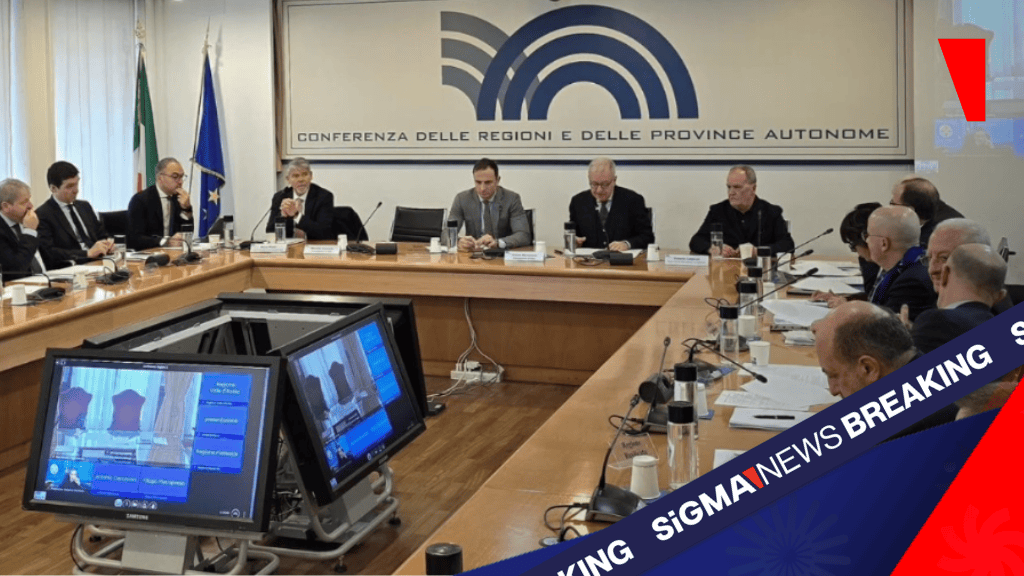
Italy’s land-based gambling reform has entered a crucial phase, with technical discussions on the legislative decree now underway in the United Conference. This formal process marks the long-anticipated start of comprehensive reform for industry stakeholders.
According to PressGiochi, the draft has undergone an initial assessment by officials from the Ministry of Economy and Finance alongside representatives of regional and local authorities. This step signals the beginning of a complex legislative process set to impact the balance of Italy’s regulated gambling market.
Regulatory framework: from fiscal delegation to retail reform
The land-based gambling reform is part of a broader fiscal law approved in 2023. This law requires the government to reorganise and streamline the public gaming system.
Legislative Decree No. 41/2024 has already changed the online gambling sector. The focus is now shifting to land-based gambling, which is more complex because regions and municipalities directly regulate the territorial offer.
The Unified Conference is responsible for aligning central government objectives with local authorities’ autonomy.
Distance rules and opening hours: towards national harmonisation
A main reform issue is the location of gambling venues. Regulatory fragmentation has grown as municipal and regional authorities have set different rules for minimum distances from sensitive sites and for operating hours.
This fragmented landscape has destabilised the regulatory system, making national harmonisation of rules a pressing reform goal.
The decree aims to reduce fragmentation and establish consistent national rules. Drafts suggest varying minimum distances by outlet type, but these proposals are still under discussion and not yet finalised.
Licensing system and market structure
Licensing is central to the reform. The decree may change tender procedures and network structure, which could reduce the number of retail outlets and gaming machines.
No final decisions have yet been made, keeping the licensing system central to the debate. Its outcome will shape market competition. Sector concerns focus on the risk of increased concentration.
Trade associations call for a balanced framework to help small and medium-sized enterprises remain sustainable if new rules favour larger operators.
Economic and employment impacts: estimates and sector concerns
Early critical assessments are emerging on the economic front. Domenico Faggiani, a member of the Lazio Region’s Observatory on pathological gambling, has warned that proposed changes to the licensing regime could have significant repercussions. According to his estimates, the reform could result in an annual tax revenue loss exceeding €1.6 billion for the Italian state, while placing approximately 24,000 jobs at risk out of an estimated workforce of 50,000 across direct and indirect employment. These projections highlight the scale of concern among some sector observers.
Industry associations have echoed similar warnings. Geronimo Cardia, President of ACADI, stressed the need to prevent restructuring from causing unintended harm, such as excessive supply concentration and high licensing tender entry costs. Without adequate product innovation and system updates, Cardia warned, these conditions could undermine public health, reduce fiscal revenues, weaken employment, and marginalise small and medium-sized businesses.
Competition concerns have also been raised by Senator Riccardo Pedrizzi, former Chair of the Senate Finance and Treasury Committee. He warned that the market could evolve into an oligopoly. Sector discussions indicate significant concentration; without corrective action, restrictions could increase and distort competition.
Senator Pedrizzi added that, according to industry sources, the Antitrust Authority is reviewing these issues, including through talks with certain concessionaires. However, these points are still under discussion and not formally in public documents.
The role of local authorities and territorial implications
Changes to gaming supply and licensing will affect local areas. Regions and municipalities may play a role in the decision-making process, particularly in the organisation of the network on their territories.
The Unified Conference is precisely the institutional forum designed to ensure a balance between national regulatory objectives and local autonomy.
A complex path towards final approval
The legislative process is both complex and urgent. After the Unified Conference, the decree must be approved by the Council of Ministers and parliamentary committees, during which changes may be made before it appears in the Official Gazette.
Further technical and political steps are expected, allowing for possible adjustments before final approval.
A pivotal moment for Italy’s regulated gaming sector
This is a defining period for Italy’s regulated gambling industry. The land-based segment is now entering an implementation phase, expected to streamline operations and optimise regulatory oversight. However, some stakeholders have expressed concerns about how these changes could affect competition and market stability.
These decisions will determine the future balance among regulation, sustainability, and public interest in the gambling sector.
This article was originally published in Italian on 10 April 2026.
(Photo credits: PressGiochi.it)
Be part of the action! Join the world’s biggest iGaming community with SiGMA’s Top 10 News countdown. Subscribe HERE for weekly updates, insider insights, and exclusive subscriber-only offers.


