


US lawmakers block Titus bid on gambling loss deductions

A fresh attempt to restore full federal tax deductions for gambling losses has been blocked in the United States, keeping a controversial new rule on track for 2026.
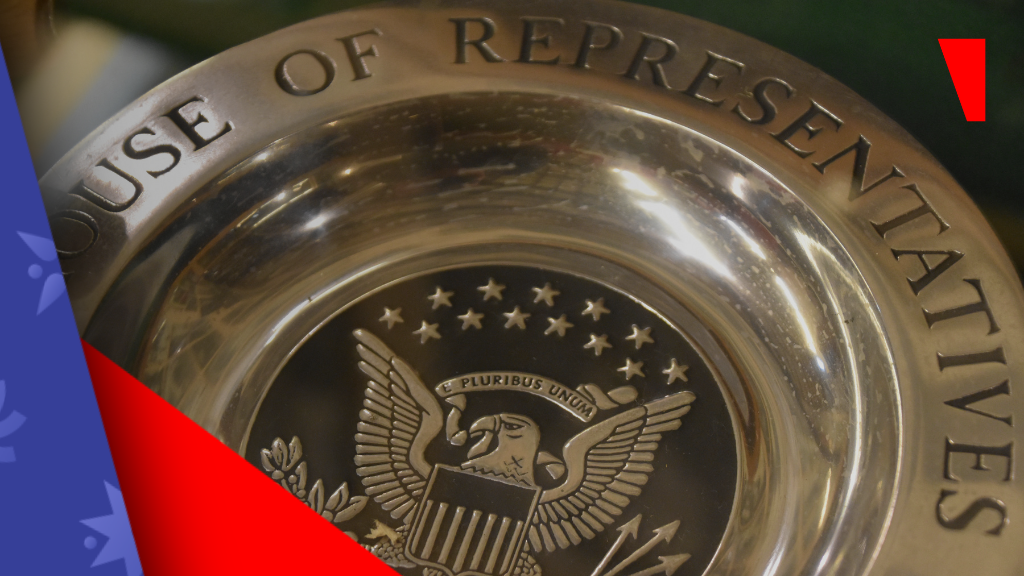
The House Rules Committee has declined to advance an amendment put forward by Nevada Representative Dina Titus, which sought to reverse a change introduced under last year’s One Big Beautiful Bill Act.
That legislation capped gambling loss deductions at 90 percent, ending the long-standing rule that allowed players to deduct 100 percent of losses against winnings. Titus attempted to reinsert the fix into the Consolidated Appropriations Act for 2026, but the amendment did not progress.
The proposal was one of nearly 70 amendments reviewed by the committee.
The tax change quietly reshaping gambling returns
From this year, gamblers will only be able to deduct up to 90 percent of their losses, even if they end the year without any real profit.
Tax advisers warn this creates so-called “phantom income”, where players are taxed on money they never actually made.
A gambler who wins $100,000 and loses $100,000 across the year, for example, would previously have owed no federal tax. Under the new cap, only $90,000 in losses could be deducted, leaving $10,000 treated as taxable income.
Professional gamblers, poker players and high-volume bettors are expected to feel the impact most sharply, particularly those with large swings but modest net results.
Nevada officials have also raised concerns that the rule could deter serious gamblers from travelling to Las Vegas, potentially affecting tourism and casino revenues. Industry groups argue the policy taxes losses as if they were income, something they see as fundamentally flawed.
Titus calls out “phantom winnings” problem
Titus criticised the committee’s decision shortly after it was announced. “I am disappointed that the House Rules Committee has decided not to move forward with legislation to restore the full 100 percent deduction for gambling losses,” she said.
She linked the amendment to the FAIR BET Act, which she introduced last July after the deduction cap was uncovered within the wider tax package.
She added that the exact route mattered less than correcting the outcome. “I also have said from the very beginning that it doesn’t matter how this unfairness is rectified; it just needs to be fixed. It’s about righting a fundamental wrong that affects every person who gambles.”
Nevada delegation and casinos step in
The effort to reverse the rule has support across Nevada’s congressional delegation. Senators Catherine Cortez Masto and Jackie Rosen are backing the FULL HOUSE Act in the Senate, alongside Texas Senator Ted Cruz. This bill also aims to restore full federal deductions for gambling losses.
In addition, casino executives and lobbying groups have simultaneously pushed for change. In December, industry representatives met with House Ways and Means Committee chair Jason Smith to argue for a fix before the cap takes effect.
Industry bodies say the rule disproportionately affects high-volume players while offering limited benefit in terms of tax revenue.
The rule stays, for now
The federal spending bill has now moved to the Senate without the gambling provision included.
Lawmakers could still attempt to add the language to another must-pass bill later this year, an approach Titus says she intends to keep pursuing.
“There will be other opportunities this year to insert the language into another piece of legislation for consideration on the House floor,” she said. “I will pursue those opportunities until we get this done.”
Until then, the 90 percent deduction cap remains in place.
If Congress does not intervene, 2026 tax filings will be the first real test of how the policy plays out, both for professional gamblers and for everyday players whose winnings and losses often balance out.
Join the world’s biggest iGaming community with SiGMA’s Top 10 News countdown. Subscribe HERE for weekly updates, insider insights, and exclusive subscriber-only offers.


