


From Pies to AI: What is happening to football shirt sponsorship?

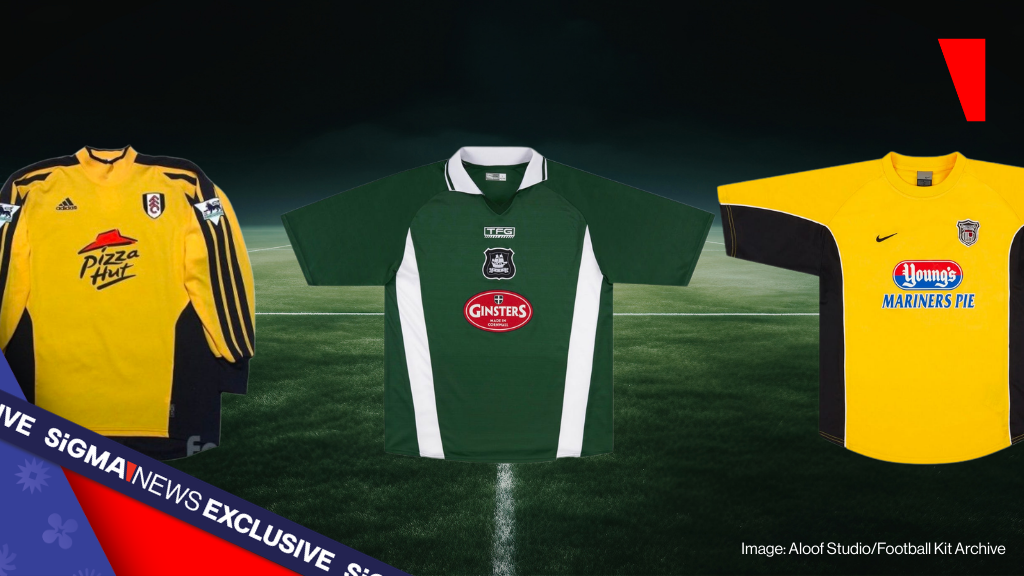
Okay, so technically Ginsters are more famous for their pasties than their pies, which is an important distinction in Cornwall. Less so in headline writing, where ‘pasties’ doesn’t rhyme with AI.
But I digress.
Back in 2011, Ginsters sponsored Plymouth Argyle, joining a long list of brands that placed themselves squarely on the chests of professional football players. Walkers crisps, McEwan’s lager, Sharp electronics, and later betting companies all used football shirts to reach the same audience: the people in the stands and those watching from home.
These were consumer brands advertising directly to consumers. The person seeing the logo was also the person expected to buy the product.
The straightforward consumer model
When Walkers sponsored Leicester City, the goal was to sell crisps. When Sharp sponsored Manchester United, it was selling televisions and hi-fi systems to households that would spend Saturday afternoons watching the match on one of them. The logic was uncomplicated and direct; football delivered mass visibility, and mass visibility drove consumer sales.
The target begins to shift
Recently, I came across an interesting LinkedIn post from brand expert, Sophie Rose, pointing out how the target audience now appears to be changing from fans in the stands to guests in corporate hospitality suites.
When fans are no longer the customer
A recent example is Chelsea’s front-of-shirt sponsor, IFS, an enterprise software company specialising in industrial AI and cloud-based business systems. Unlike Ginsters or Walkers, IFS is not trying to persuade supporters to make an impulse purchase. Its products are designed for large organisations managing supply chains, logistics, maintenance, and complex operations. The average fan attending a Premier League match is not in the market for enterprise asset management software.
This apparent mismatch makes more sense once you accept that top-level football is no longer just a sport, but a commercial environment in its own right. Premier League clubs are global brands with enormous reach, and matchday is as much about networking as it is about the action on the pitch. For companies selling to other businesses, being visible in that setting can matter more than household recognition.
Selling stature, not snacks
In the age of Ginsters, McEwan’s, and Sharp, the shirt functioned as straightforward advertising. It placed a consumer product in front of a mass audience in the hope that brand familiarity would translate into sales. The relationship between sponsor and supporter was direct and tangible. You could eat it, drink it, or plug it into the wall.
Today, being on the front of a Premier League shirt says something without needing to spell it out. It suggests the company is large enough, established enough, and comfortable enough in its own position to stand in that spotlight, the kind of company you want to do business with. That matters less to supporters and more to the businesses paying attention.
For the B2B sector, this kind of visibility works as reassurance. If you can afford to sit at the centre of one of the world’s most-watched sports leagues, you are unlikely to be a questionable operation. In sectors where trust is earned slowly and lost quickly, that perception counts.
From pies to AI, the change has been gradual. Football shirts still carry logos, but what those logos are there to achieve has shifted. They are no longer just trying to sell to the crowd; they are there to show other businesses that this is a company of scale, stability, and intent.
Join the world’s biggest iGaming community with SiGMA’s Top 10 News countdown. Subscribe HERE for weekly updates, insider insights, and exclusive subscriber-only offers.


