


Watch: Pia Ahrenkilde Hansen explores gaming in learning

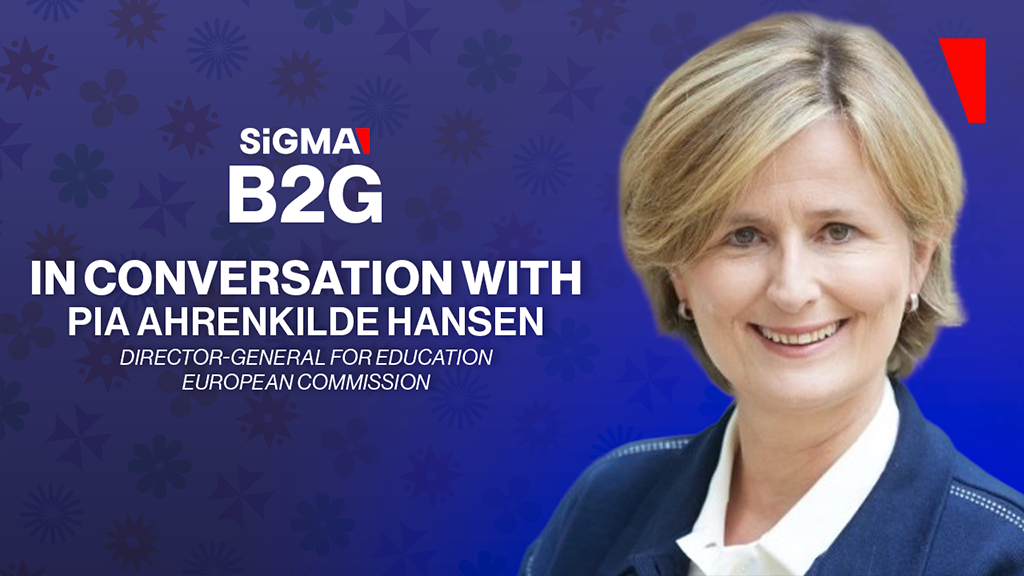
Pia Ahrenkilde Hansen, Director-General for Education, Youth, Sport, and Culture at the European Commission, discussed the implications of artificial intelligence, gaming, and education in a recent interview. The overall messaging of the interview emphasised the EU’s leadership role in regulation, the potential to use AI responsibly, and the changes that gaming could bring to inclusion and education.
Building foundations for education and culture
As the Director-General for Education, Hansen oversees initiatives that contribute to building stronger education systems in Europe, invests in youth initiatives such as Erasmus, and supports the European sports model. Hansen’s team also focuses on cultural policy and creative industries, which support artists and communities to flourish.
Her role is representative of the Commission’s comprehensive view of education and culture as foundations of Europe’s identity and competitiveness.
The EU is a global leader in shaping AI regulation.
Hansen highlighted how the EU is leading the way in developing global AI regulation, explicitly referring to the AI Act proposed earlier this year as the first comprehensive AI Regulation. The regulation, she explained, strikes a balance between innovation and safeguards that ensure a human-centred approach.
“This provides the foundation for everything we do,” she noted, stressing that the framework informs guidelines for educators and creative industries alike. The EU’s support for projects that integrate AI while protecting creators’ rights is a source of inspiration and hope for the audience, as it demonstrates the EU’s commitment to fostering innovation while respecting individual rights.
Keeping pace with technological change
Hansen states that keeping pace with technological change is one of the key challenges for policymakers. “The speed at which AI is advancing is troubling,” she highlighted. “We need to run fast and develop completely different approaches to understand technology on our own terms,” she continued, acknowledging that both foresight and anticipation are needed to ensure that Europe can leverage and shape technology on its own terms. She said that it is essential to create regulation that reflects European values without risking innovation, and that this balance is particularly reassuring to the audience. It provides confidence that the EU is interested in protecting traditions as well as supporting innovation.
Gaming as an educational and inclusive device
As Hansen described, gaming ought to be perceived as an opportunity to involve students in learning and also to develop responsibilities and character. The EU has been actively supporting projects that incorporate educational elements and purposes in games, including initiatives designed to raise awareness about disabilities and special needs.
She stated, “Gaming can be one of the tools in the educational toolbox,” citing the ability to build community values, promote collaboration, and improve academic learning. The idea of gaming as a multi-faceted educational resource is a key component of the Commission’s perspective on education in a digital age. The Commission has even hosted webinars looking at how games can be powerful educational resources in different subjects.
Protecting minors and developing digital literacy
Protecting and promoting transparency are key parts of the EU’s mandate. Hansen referred to the EU’s Act on AI, the Digital Services Act, and the Digital Markets Act as the pillars to protect young people. These regulations establish standards around consent, transparency, and data protection, particularly for minors and those with special needs.
She also stressed that digital and AI literacy must now be considered fundamental skills. With 90% of jobs requiring digital competence, education systems across Europe are under pressure to prepare both young people and adults for a digital-first economy. The Commission plays a key role in sharing best practices and supporting member states in this endeavour.
Encouraging lifelong learning
When asked about adult learning, Hansen emphasised accessibility and relevance. Training, she explained, must be delivered where adults already are, in the workplace and during leisure time.
In this regard, gaming could function as a vehicle for education, and not only for enjoyment but also for adults to develop new skills. She suggested that such an approach would provide benefits and opportunities for young people, the industry, and society as a whole.
The thoughts shared by Hansen reflect the European Commission’s strategic priorities of positioning technology and innovation in relation to human values, promoting effective regulation and governance, enabling the creative industries, and exploring the educational possibilities of gaming for young people. Through this approach, the EU is carving out its own vision for the future of education in the digital age.
For more thought leadership and insights, visit the SiGMA website.


